
Last updated September 20, 2026
Full 25-point door and opener safety check with every visit - springs, cables, rollers, tracks, and your LiftMaster or Chamberlain opener included
You get a price before we start. It does not change when the truck arrives.
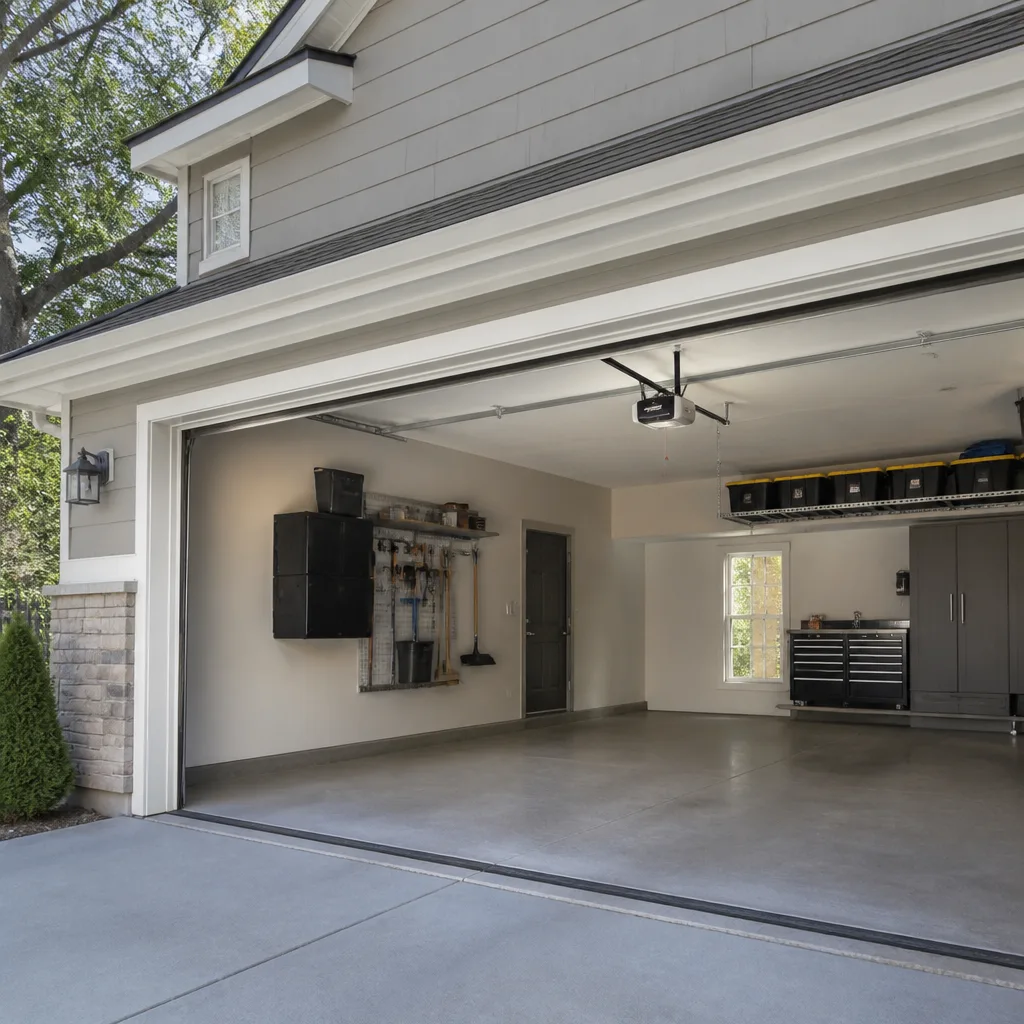
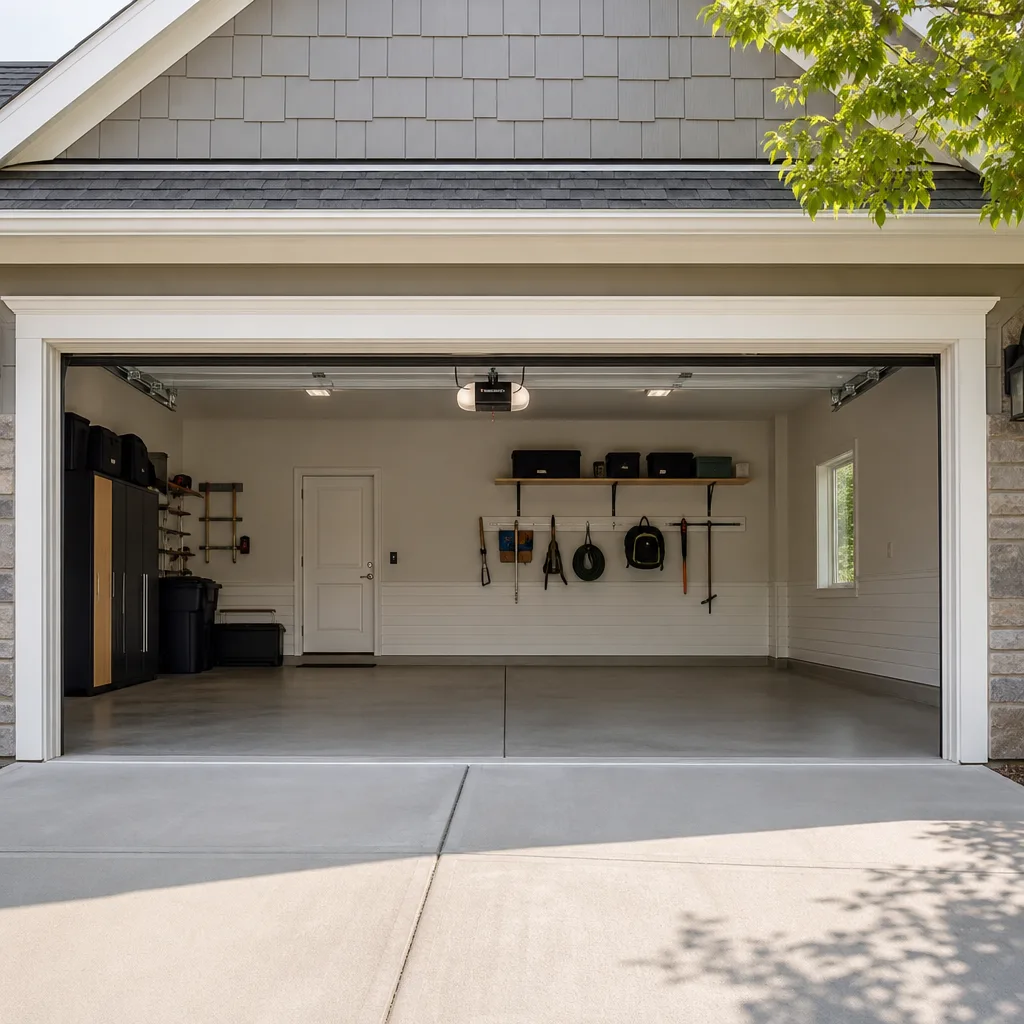
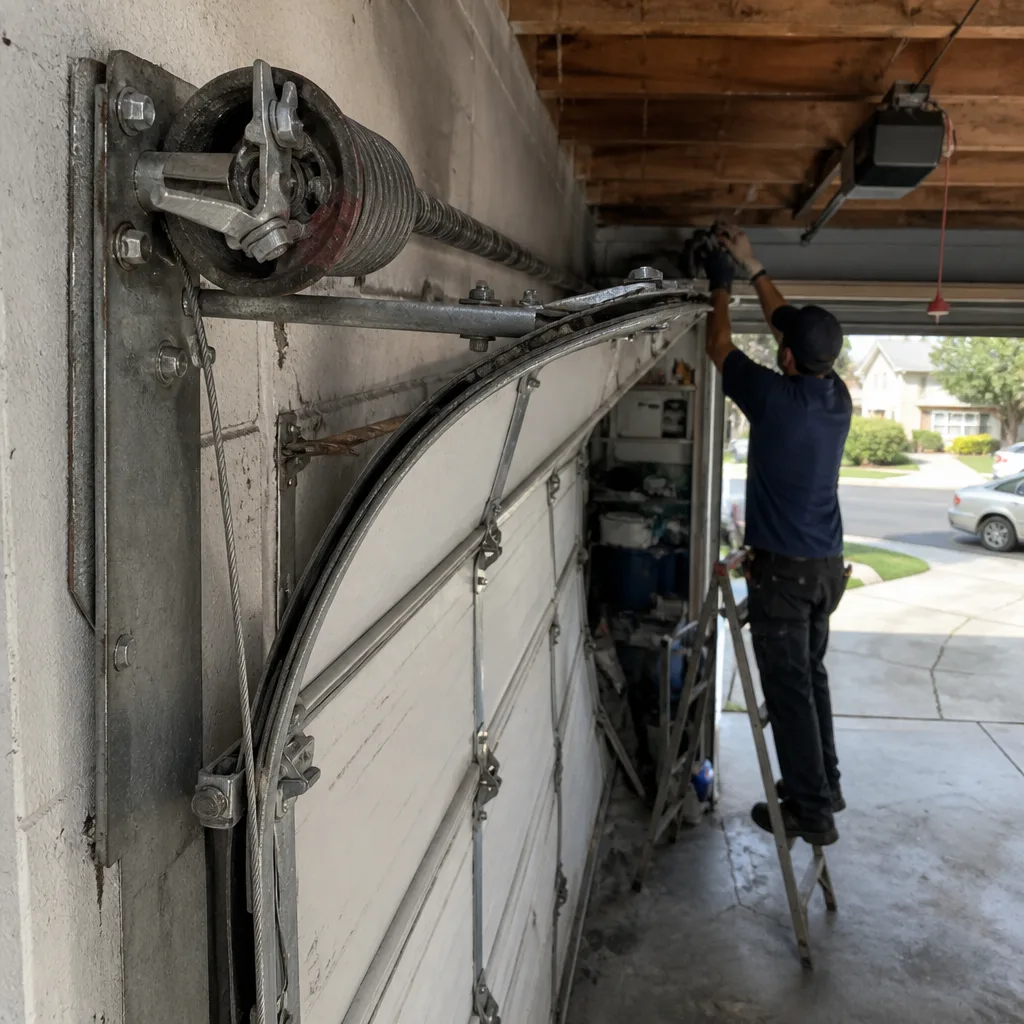 Before
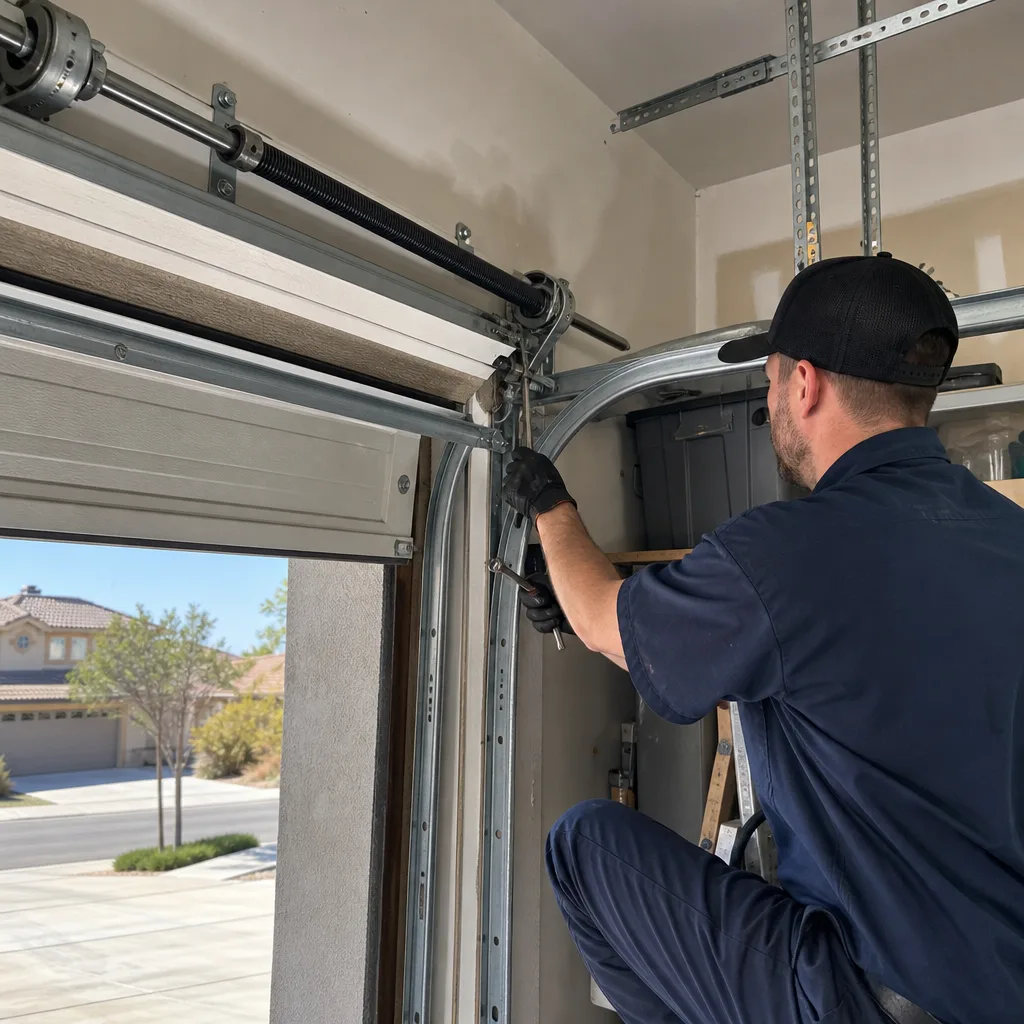 After
After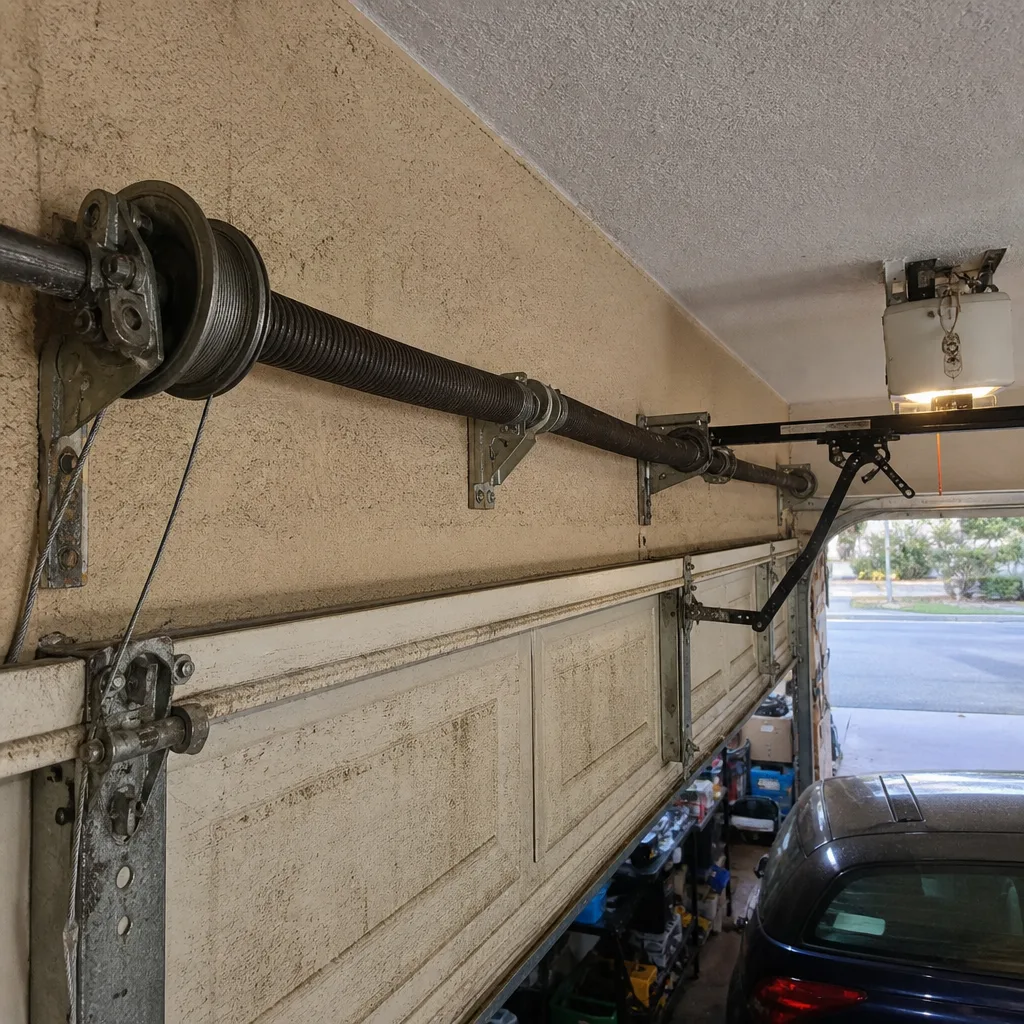 Before
 After
After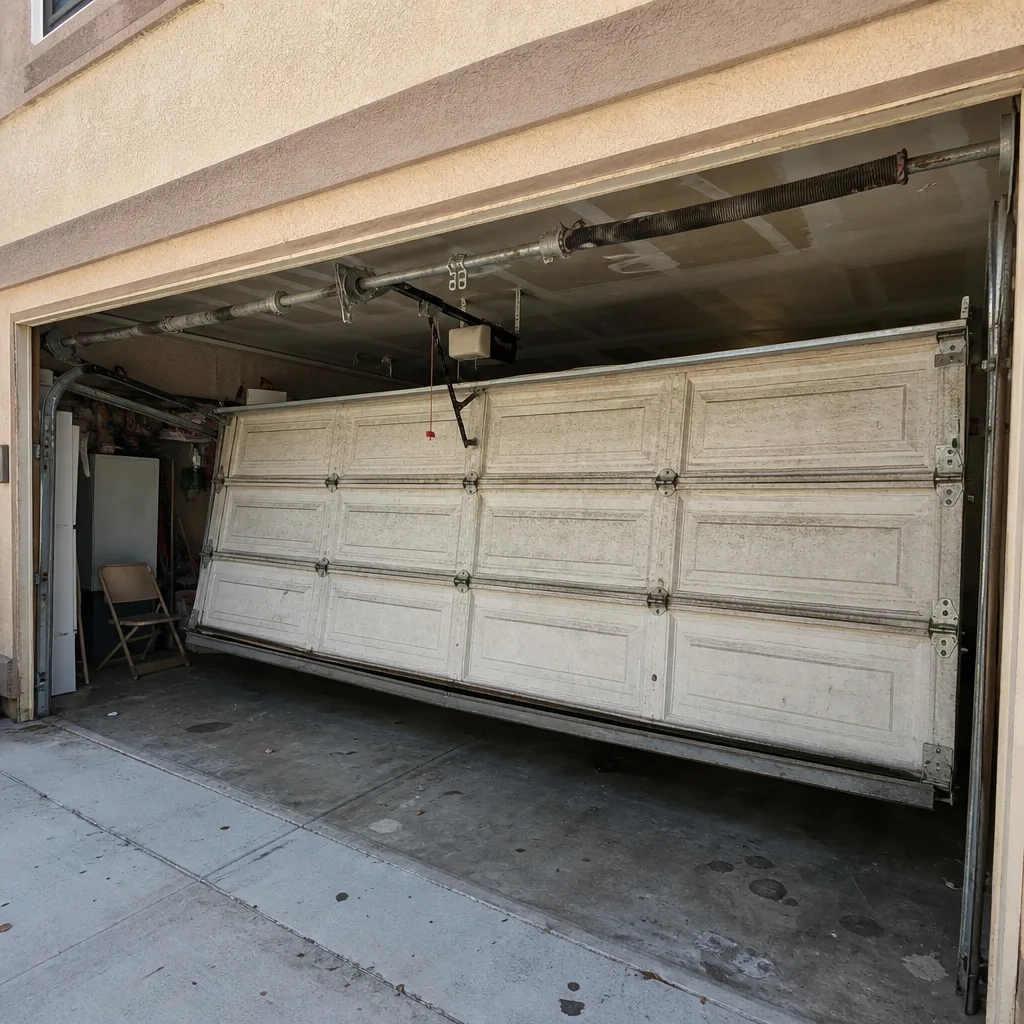 Before
 After
AfterGarage Door Cost Breakdown: The Corona Homeowner’s Reference for 2026
In a 2024 CSLB complaint review, the most common dispute category in the door and gate sector was “price substantially exceeded estimate.” In the majority of those cases, the original estimate was verbal and contained no component-level breakdown. A garage door repair quote is not a single number. It is a sum of individually priceable parts and separately scoped labor, and a homeowner in Corona who can name each line item before the technician arrives cannot be quoted a lump sum that hides margin in ambiguous labor. This guide-along with our Garage Door Repair Maintenance Checklist for Corona Homeowners-breaks down what every major component costs to repair or replace in Corona in 2026, how labor should be structured on the invoice, what a compliant written estimate under California § 7159 must contain, and how to spot an upsell before you pay for it. You will leave with the vocabulary and the dollar ranges to read any garage door quote like a technician.
Quick Answer
Garage door repair in Corona costs between $125 and $450 for most single-component fixes in 2026, with torsion spring replacement running $180 to $340 for a single spring and $260 to $480 for a pair, opener replacement running $425 to $850 installed, and full door replacement running $1,100 to $4,200 depending on material, insulation, and size. The exact price depends on the component, the door’s weight and height, whether the technician can reach the job from the ground or needs additional equipment, and whether the line item is quoted flat-rate or time-and-materials. A written estimate that lists each component and its individual price is the single best protection against invoice surprises, and it is also what California § 7159 requires before work begins.
Table of Contents
- Torsion Spring Replacement Cost in Corona: What You Pay and Why
- Garage Door Cable Replacement: What It Costs and When It Fails
- Nylon vs Steel Rollers: The 2026 Cost Difference That Actually Matters
- Bottom Seal and Weatherstripping: The Cheapest Repair That Prevents the Most Damage
- Garage Door Panel Replacement by Gauge: Corona’s Real Pricing
- Flat-Rate vs Time-and-Materials Labor: Which Protects You on a Complex Repair
- How to Use a Photographed Component to Get a Legitimate Second Quote Without a Site Visit
- Common Mistakes to Avoid
- When to Call a Professional
- Frequently Asked Questions
- The Bottom Line
BeforeAfterTorsion Spring Replacement Cost in Corona: What You Pay and Why
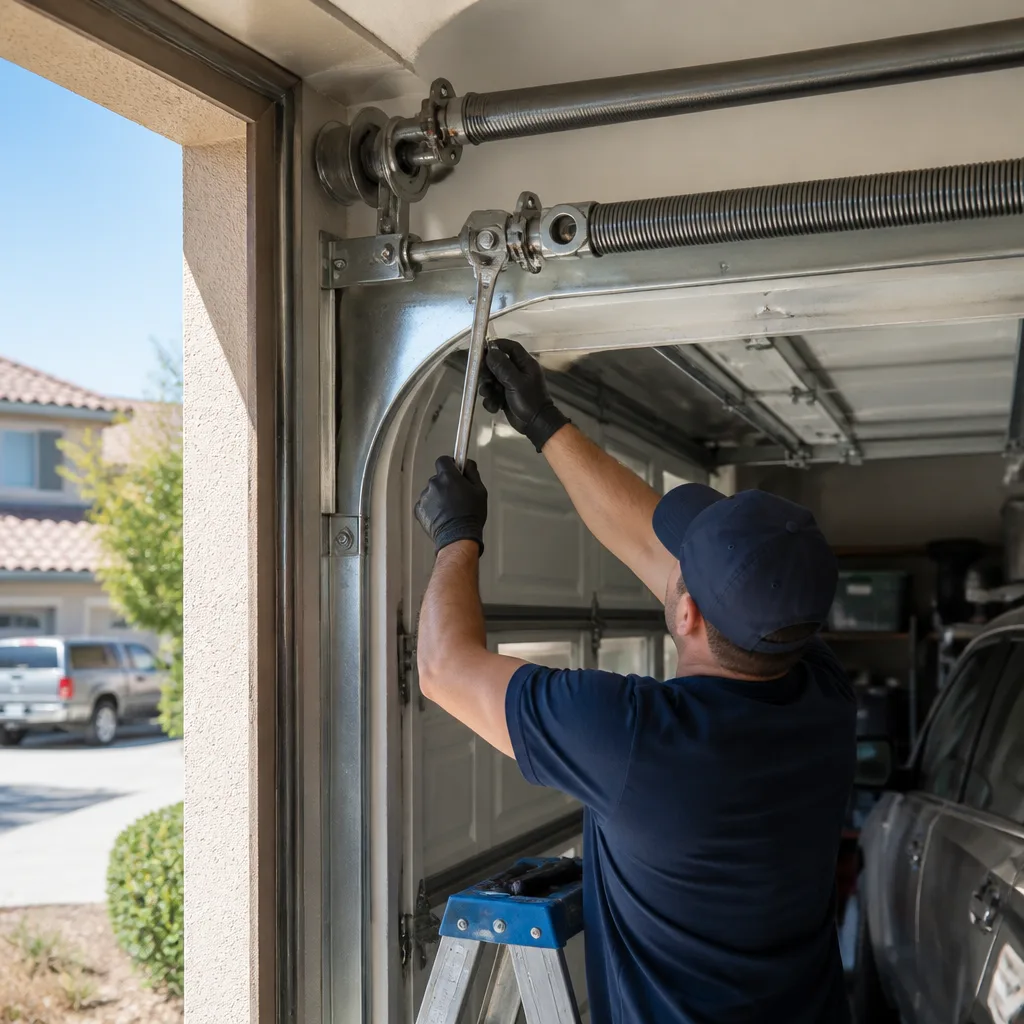
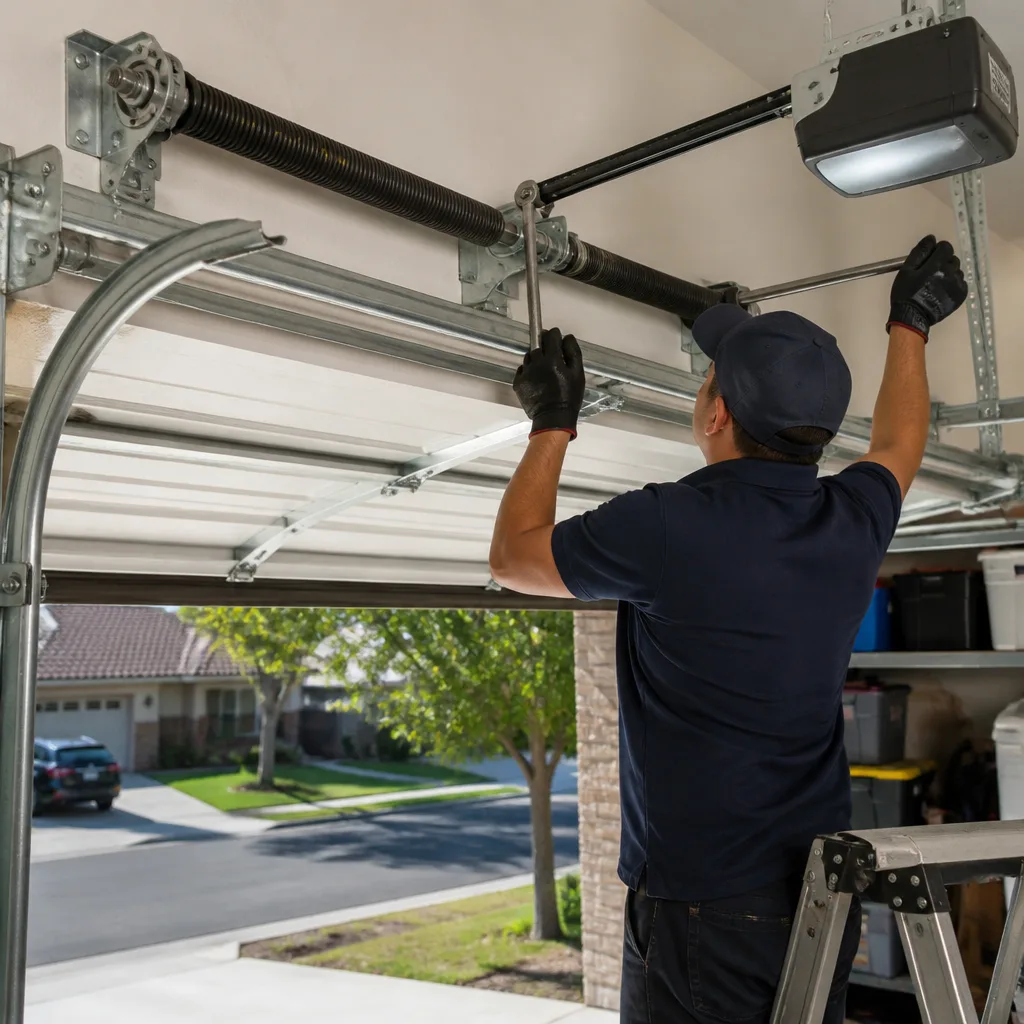
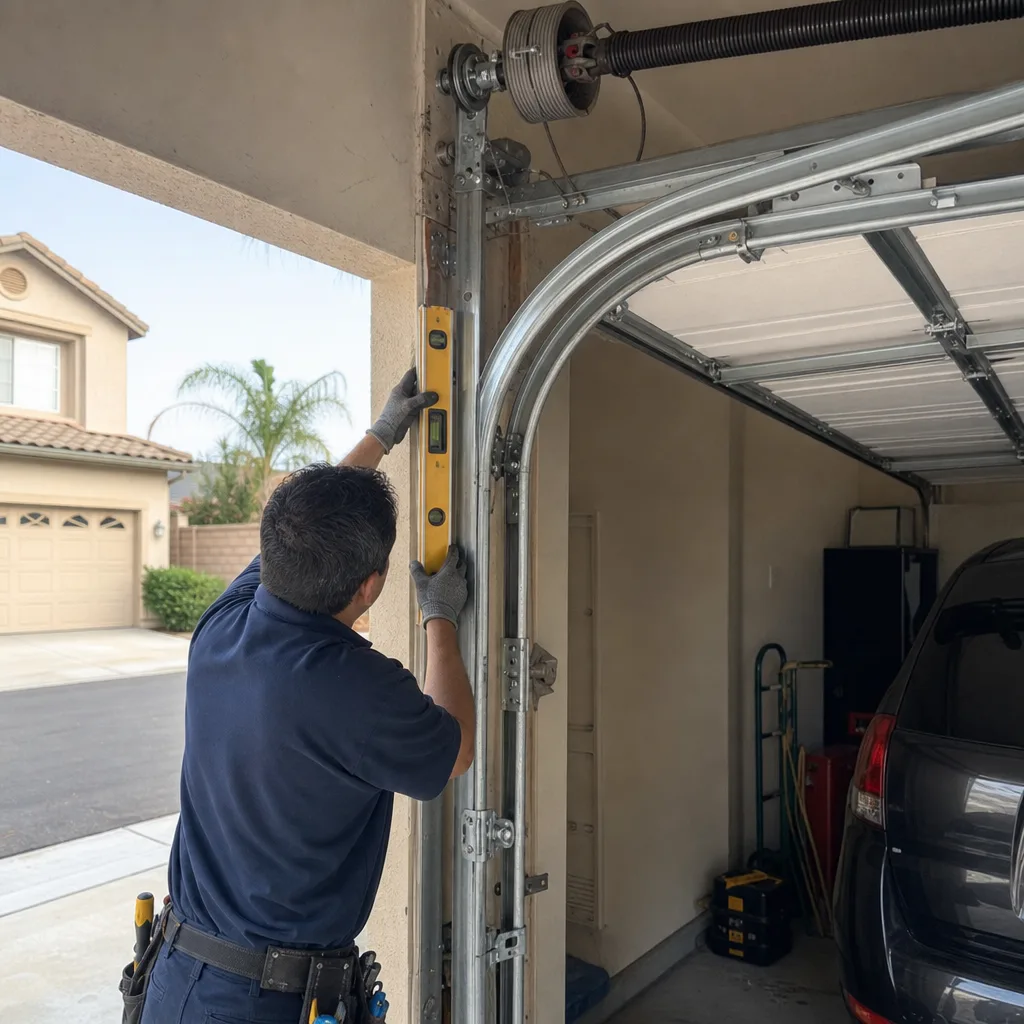
A torsion spring is the heavy coiled spring mounted horizontally above the door opening. It stores the mechanical energy that lifts the door, and it is the single most common component we replace in Corona, especially in neighborhoods like South Corona and Eagle Glen where homes from the early 2000s are hitting the 10,000-cycle mark on their original springs. When a spring breaks, it sounds like a gunshot in the garage. The door will not open, or opens six inches and stops, because the opener motor is now fighting the full weight of the door alone.
In Corona in 2026, a single torsion spring replacement runs $180 to $340. A pair runs $260 to $480. The range is driven by four factors: wire diameter (0.207-inch wire costs less than 0.262-inch wire because the latter is rated for more cycles), spring length, door weight (a double-wide wood door needs a heavier spring than a single steel door), and whether the spring is standard or high-cycle. High-cycle springs, which are powder-coated and rated for 25,000 to 50,000 cycles instead of 10,000, add $40 to $80 per spring. In Corona’s climate, where garage temperatures swing from 40 degrees on winter mornings to 110 degrees in August, springs cycle through more thermal expansion and contraction than coastal markets, which shortens standard spring life and makes the high-cycle upgrade worth the incremental cost for anyone planning to stay in the home more than five years.
Here is the component-level breakdown a written estimate should show:
- Spring (standard cycle, single): $60-$120 for the part
- Spring (high-cycle, single): $100-$180 for the part
- Labor per spring: $80-$160
- Bearing and bracket check/adjustment: $0-$35, often rolled into the labor line
The safety caveat belongs here, stated plainly: torsion springs are under 200 to 300 pounds of tension per square inch of coil torque in a loaded state, and an uncontrolled release can throw a winding bar through drywall or bone. This is the one repair where watching a YouTube tutorial and buying a spring from a big-box store is a genuinely bad trade. We have seen the aftermath in Corona garages where a homeowner attempted a spring change and lost control of the winding cone. The repair doubled. Hire a trained professional for torsion spring work, period.
For homeowners in Corona exploring garage door repair options, the spring line is where a lump-sum quote most often hides margin. Ask for the spring’s wire diameter and cycle rating to be written on the estimate. If the technician cannot tell you the wire diameter, that is not a technician you want touching a loaded spring.
Garage Door Cable Replacement: What It Costs and When It Fails
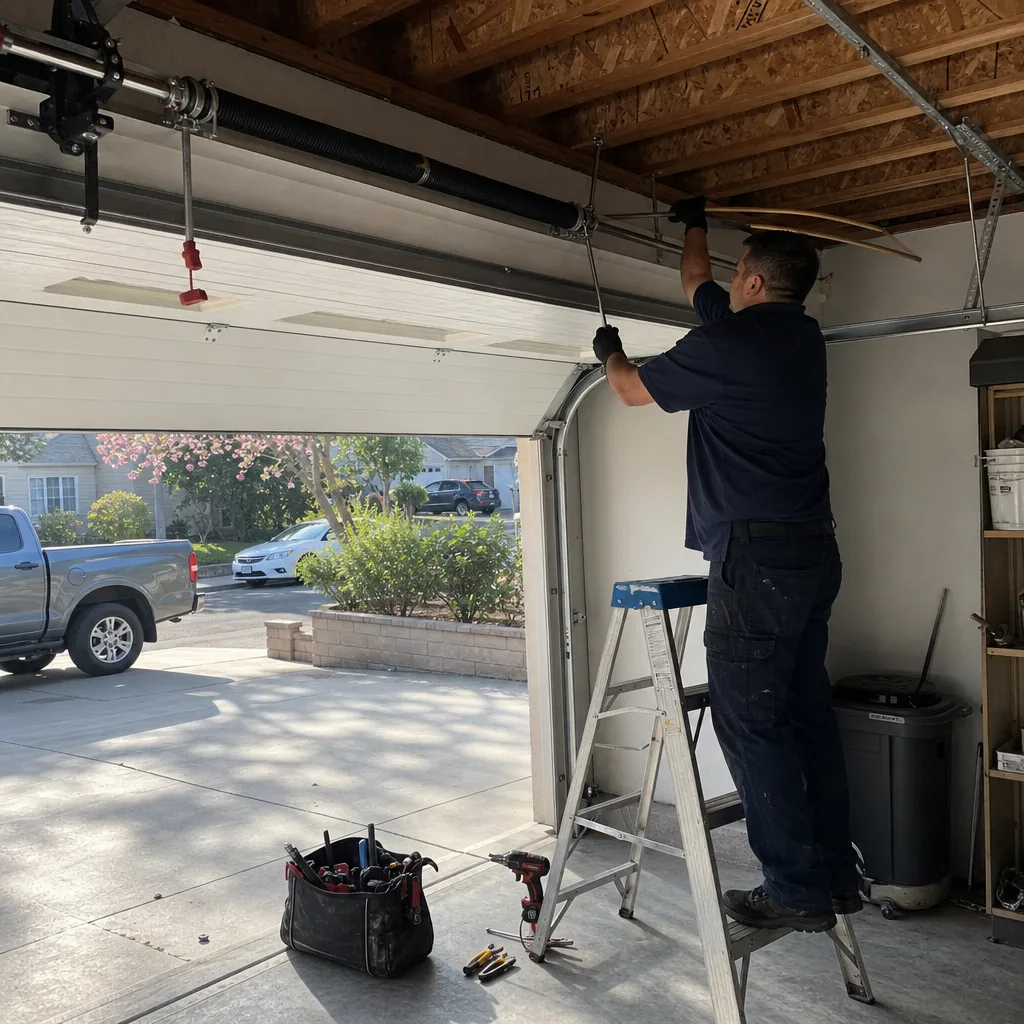
The cables are the aircraft-grade steel wires that run from the bottom brackets on each side of the door up to the drums on the torsion shaft. Their job is simple: they transfer the spring’s stored energy into controlled lifting of the door’s weight. When a cable frays or snaps, the door tilts, jams, or slams unevenly, and the remaining cable is now carrying double its rated load. In Corona, we replace cables most often on doors that face direct afternoon sun on the west side of the house, because the heat accelerates the breakdown of the vinyl sheathing that protects the steel strands.
Cable replacement in Corona runs $120 to $220 for a single cable and $180 to $320 for both. The part itself is inexpensive, $15 to $40 per cable. The cost is labor, which involves releasing tension from the spring system, removing the old cable from the drum, running the new cable through the bottom bracket and safety eye path, and rewinding the system. This is not a standalone fix for a DIY attempt either: the cable works in partnership with the torsion spring, and any work on the cable requires de-tensioning that same spring. A cable that breaks without an obvious cause is often a symptom of a failing spring or a misaligned track, and replacing only the cable will result in a second failure within months.
What drives the price up or down:
- Door height: 8-foot doors are standard; 10-foot and 12-foot doors in newer Corona builds need longer cables at $10-$25 more per cable
- Drum condition: if the drum is scored or grooved, it eats the new cable; expect $40-$70 per drum replacement
- Bottom bracket condition: rusted bottom brackets on coastal-adjacent Corona homes or homes with uninsulated garages can add $20-$40 per bracket
A legitimate cable quote will often include a note about spring tension testing. That is not an upsell. That is a technician doing the job correctly, because a new cable on a tired spring is a repeat visit waiting to happen.
Nylon vs Steel Rollers: The 2026 Cost Difference That Actually Matters
The roller is the small wheel attached to each of the door’s hinges that rides inside the vertical and horizontal track. Most Corona homes have 10 to 12 rollers on a standard two-car door. When a roller fails, the symptom is a door that shudders, squeals, or vibrates as it moves, and the failure is usually visible: a cracked wheel, a seized bearing, or a flattened spot from years of rolling over the same track curve.
Replacement cost in Corona runs $10 to $25 per roller for steel-bearing nylon rollers and $8 to $15 per roller for all-steel rollers without bearings. The labor to replace a full set runs $80 to $140, bringing a complete roller replacement to $180 to $390 depending on door size and roller type. The cost difference between nylon and steel is small in absolute dollars but large in daily experience. Steel rollers are louder, transmit more vibration into the door’s metal frame, and accelerate wear on the hinges. Nylon rollers with sealed ball bearings are quieter, roll more smoothly, and are the standard we install on any door we service in Corona, regardless of what the original builder put in.
One thing competitors miss: the roller is also the cheapest early-warning component on the door. If a homeowner in the Sycamore Creek or Horsethief Canyon area hears a grinding sound and finds a single cracked roller before it breaks completely, the repair is $10. If that roller shatters and the door derails, the repair is a bent track, a crushed panel edge, and a $300 to $600 bill. The roller does not fail silently. It announces itself for weeks before it fails, and paying attention to the sound is the cheapest maintenance habit a Corona homeowner can form. For a full list of symptoms to watch for, see our Garage Door Warning Signs: A Corona Homeowner’s Reference Guide.
Bottom Seal and Weatherstripping: The Cheapest Repair That Prevents the Most Damage
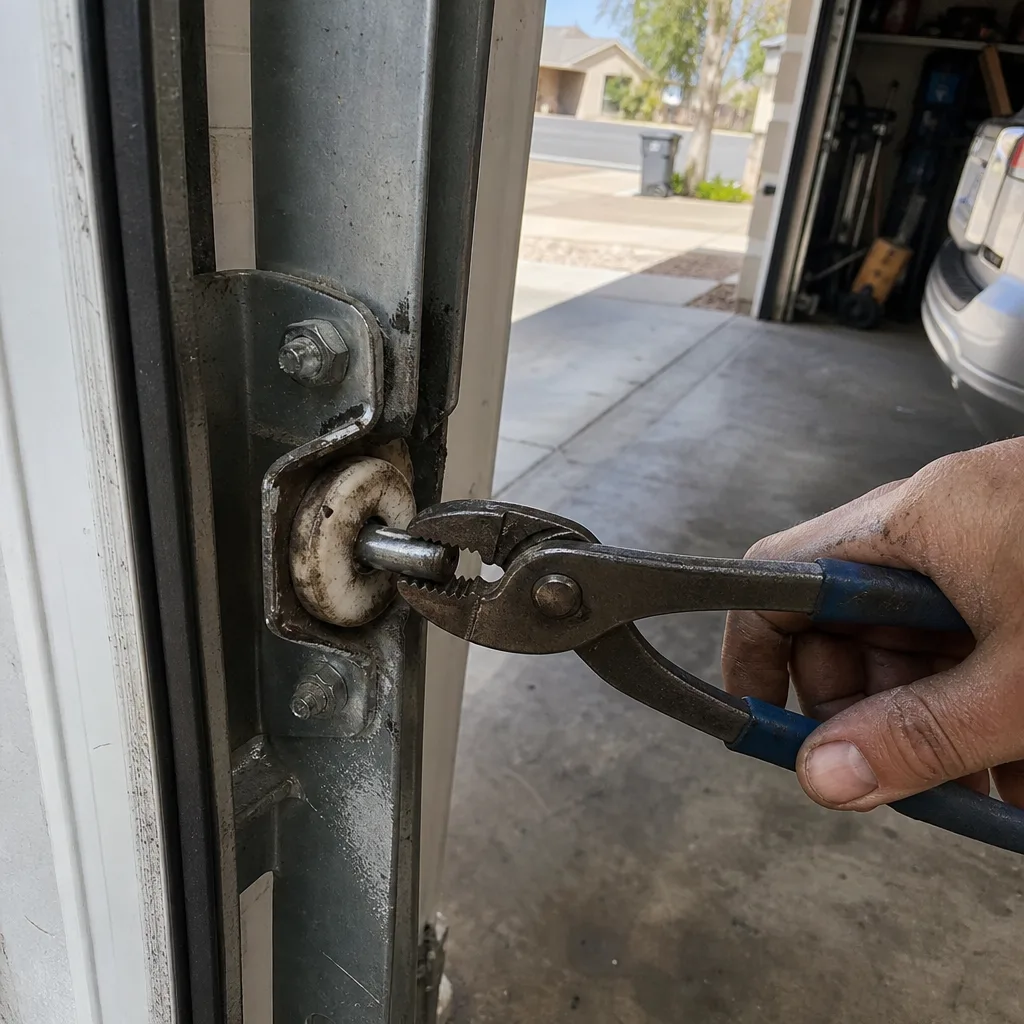
The bottom seal, also called the astragal, is the flexible rubber or vinyl strip attached to the bottom of the door panel. Its job is to close the gap between the door and the garage floor, keeping out water, dust, insects, and in Corona specifically, the fine alkaline dust that blows across from the Santa Ana winds and settles into everything. A deteriorated bottom seal is the most common issue we see during summer service calls, when homeowners notice a line of dust and leaves that has collected along the back wall of the garage.
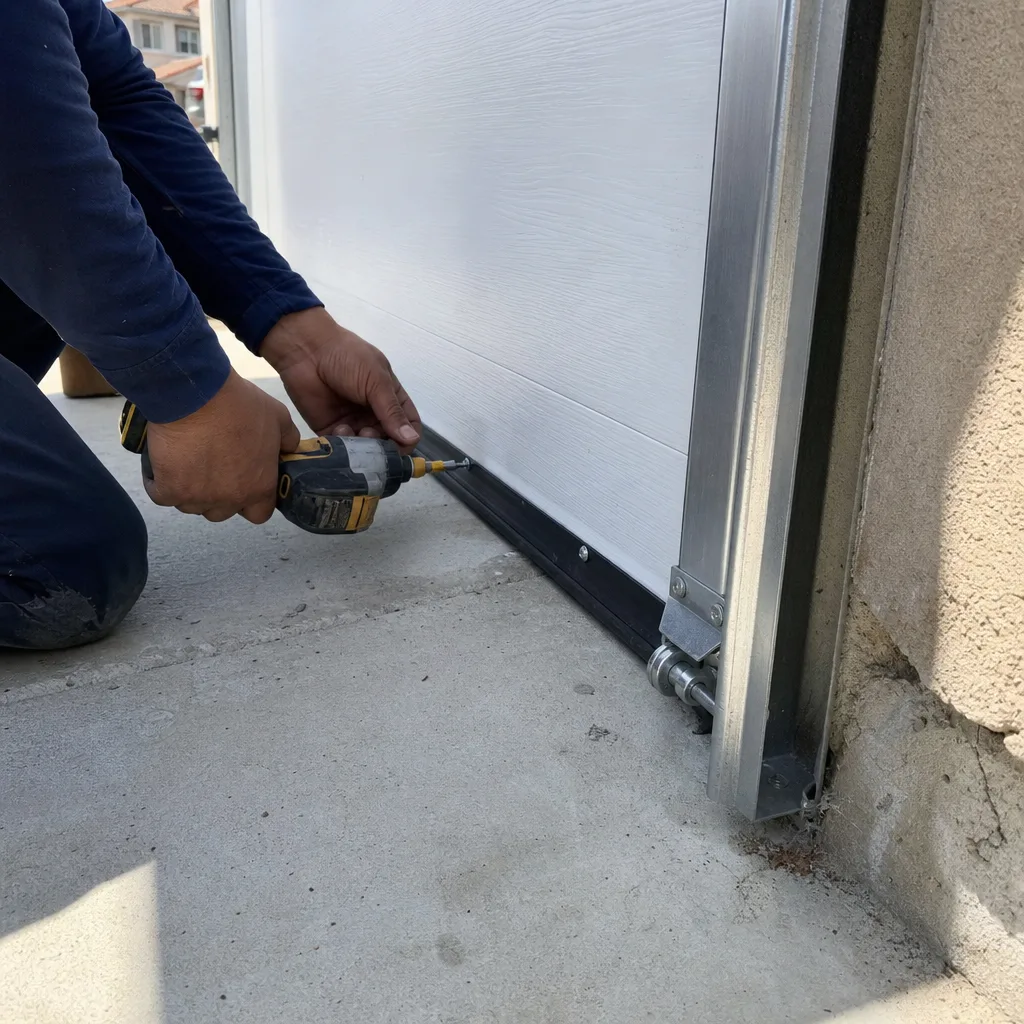
Replacement cost in Corona runs $85 to $150 installed for a standard single or double door. The seal itself costs $25 to $50, and the labor is straightforward: slide out the old T-shaped gasket, cut the new one to width, and feed it through the retainer channel. What drives the price to the top of the range is the retainer itself. If the aluminum retainer that holds the seal is bent, corroded, or missing screws, it needs replacement, and that adds $40 to $70. We see corroded retainers most often on Corona homes where the garage slab lacks proper drainage and water pools at the door’s base after a heavy winter rain.
This repair is also the one most commonly bundled into an unnecessary upsell. A technician replacing a torn seal will sometimes recommend replacing the entire bottom panel, claiming the seal tear indicates panel rot. For steel doors, that claim is almost never true. The test is simple: ask the technician to show you the panel damage in a photograph separate from the seal itself. If the panel is not rusted through or visibly deformed, replacing the seal is sufficient. For homeowners researching Servo Garage Doors Corona home services, a $120 seal replacement should never become a $900 panel replacement without photographic evidence of panel failure.
Garage Door Panel Replacement by Gauge: Corona’s Real Pricing
Garage door panels are manufactured in standard thicknesses measured by steel gauge. The lower the gauge number, the thicker the steel. Most residential doors in Corona use 24-gauge, 25-gauge, or 27-gauge steel with a foam or polystyrene core, and the panel’s gauge is printed on the manufacturer’s label attached to the door’s interior side near the bottom section. That label matters, because replacing a panel with a mismatched gauge creates a visible seam line and a structural weak point where the new panel flexes differently than its neighbors under heat.
Panel replacement cost in Corona in 2026 runs $350 to $800 for a standard 16-foot-wide door, depending on gauge and insulation type. A 24-gauge steel panel with polyurethane insulation runs at the top of the range. A 27-gauge panel with no insulation runs at the bottom. The breakdown:
- Panel (24-gauge, insulated): $220-$400
- Panel (25-gauge, polystyrene core): $180-$320
- Panel (27-gauge, non-insulated): $140-$250
- Labor: $150-$350, higher if the door must be re-tensioned to drop and re-hang the section
In Corona’s heat, gauge selection matters more than homeowners expect. A 27-gauge panel in direct sun on a west-facing garage in the Temescal Valley will oilcan, meaning the metal visibly flexes and pops as it expands and contracts through the day. That popping sound travels through the wall into the house. If you are replacing a panel and the original door used 24-gauge, specify 24-gauge. Do not accept a cheaper gauge to save $60, because the replacement will not match in color, texture, or thermal behavior.
One honest note about panel replacement economics: on doors older than 12 to 15 years, replacing a single panel is often a temporary fix. The springs are tired, the other panels are fading, and the track has wear grooves. We tell Corona homeowners this directly, because a $600 panel now plus a $300 spring next year plus a $150 roller set the year after adds up faster than a full garage door installation quoted once, in writing, with a single warranty. A good written estimate will show both options side by side and let the math do the convincing.
Flat-Rate vs Time-and-Materials Labor: Which Protects You on a Complex Repair
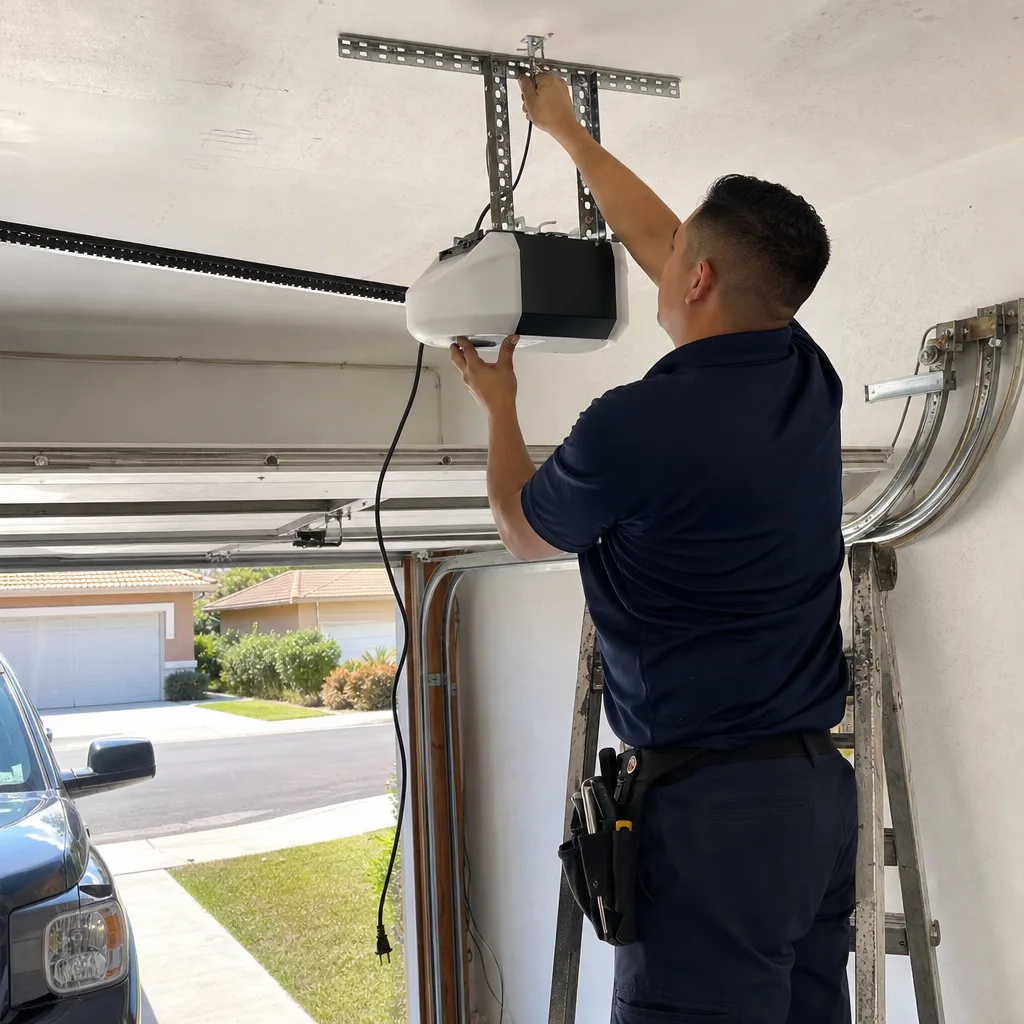
Garage door labor in Corona is billed one of two ways: flat-rate or time-and-materials. Flat-rate means the technician quotes a fixed price for a defined repair before touching the door: “replace one torsion spring, $290, labor and part included.” Time-and-materials means the invoice shows an hourly labor rate plus the cost of parts, and the final total is only known when the job ends. The difference between the two is not just accounting. It is leverage.
On simple, predictable repairs like a roller replacement or a bottom seal, flat-rate and time-and-materials produce nearly identical totals. The difference appears on complex jobs. A door with a failed logic board, a worn trolley carriage, and a bent track might take two hours or six, depending on what the technician finds. Under time-and-materials, the homeowner carries the risk of the unknown. Under flat-rate, the contractor carries it, because the contractor set the price before seeing what the job would actually require. For the homeowner, flat-rate is the safer model on complex repairs. It removes the incentive for slow work and caps the cost regardless of what the technician discovers.
At Servo’s opener repair and installation practice in Corona, every job is flat-rate. Clause 1 of The Haven Standard requires a written price and written scope before any work starts, and that means a flat-rate quote delivered on paper or on screen before the technician begins. The homeowner knows the total before the first tool comes out. If the job turns out to be worse than the quote assumed, that is a contractor-side risk absorbed by the contractor, not a revised invoice passed to the customer at the end of the day.
What a service call fee covers, in plain terms:
- Travel and dispatch to the home in Corona
- Diagnosis of the reported issue
- A written flat-rate quote, if the customer proceeds
- In most cases, the first 15 to 30 minutes of hands-on diagnostic labor
In our experience, a $75 to $100 service call fee in Corona is fair when it includes a written quote. A company that charges a service call fee and then gives a verbal estimate is charging you for the privilege of ambiguity, and that ambiguity is exactly what the 2024 CSLB complaint data shows leads to disputes.
How to Use a Photographed Component to Get a Legitimate Second Quote Without a Site Visit
You can get a competitive second quote on many garage door repairs without having a second contractor set foot in your garage, and doing so is fully legitimate. The method is simple: photograph the failed component clearly, with a reference object for scale, and send the photo with the door’s make, model, and size to a second contractor for a written quote. Here is the step-by-step process we recommend to every Corona homeowner:
- Ask the first technician to show you the failed part before quoting it. A technician who photographs a broken torsion spring and shows you the clean break at the center coil is demonstrating something they can prove. A technician who reports a “bad spring” from the ground without showing the part is reporting a conclusion, not evidence.
- Take your own photo of the same component. Even after the technician shows you, take a phone photo that includes a ruler, a coin, or a hand for scale. If the part is a spring, photograph the break location and the color of the cone. If it is a cable, photograph the fray point. If it is a panel, photograph the dent or crack from a straight-on angle.
- Note the door’s specifications. Look for the manufacturer’s label on the door’s interior side. It lists the brand, the model number, the door’s dimensions, and sometimes the spring size. Photograph the label. A quote built from a label photo is more accurate than a quote built from memory.
- Send the photo and the label to a second contractor by text or email. Ask for a written, itemized quote. Most established garage door companies in Corona can quote a spring or cable replacement accurately from a photo, because the component’s size and type are visible in the image and the labor is standard. Do not accept a verbal quote over the phone. Written only.
- Compare the two written quotes side by side, line item by line item. If both quotes list a single torsion spring at 0.243-inch wire diameter, the part is the same. If one quote is $50 higher on labor, ask why. If one quote omits the spring’s wire diameter entirely, ask for it to be added. A legitimate quote can survive that question.
Why this practice is legitimate: a garage door spring, cable, or roller replacement is a component-level repair with standard labor. The second contractor is not giving you a diagnosis they have not seen; they are giving you a price on a documented part condition. Where a site visit matters is on issues that could have multiple causes, like a door that opens unevenly or an opener that clicks but does not engage. Those symptoms require hands-on diagnosis, and no honest contractor will quote them from a photo. But for a clean spring break or a frayed cable, the photo is sufficient evidence, and any contractor who insists on a site visit without saying why is protecting their pricing model, not their diagnostic accuracy.
We operate this way ourselves. Servo Garage Doors Corona offers a free second opinion on any written estimate from another company. Bring the paperwork, and our technician will review it line by line against our own flat-rate pricing. Clause 4 of The Haven Standard is why we photograph the failed component before quoting a replacement, and that photo is part of what the customer receives, not part of what the customer pays extra for.
Common Mistakes to Avoid
- Accepting a verbal estimate. California § 7159 requires a written home improvement contract for any job over $500, and even below that threshold, a verbal price is unenforceable. If the technician will not write it down, do not approve the work.
- Paying the full balance before the work is verified. Reputable contractors in Corona do not ask for full payment in advance of a standard repair. A deposit on a full door installation is normal. A demand for full prepayment on a spring replacement is a red flag.
- Confusing a service call fee with a diagnosis. A technician who collects a $90 service call fee and then gives a vague verbal assessment has not diagnosed anything. You paid for a trip and an opinion. Ask for the written quote you were promised.
- Treating a photographed component as optional. The photo record of a failed spring or frayed cable is your evidence if the repair fails and the contractor disputes the cause. In Corona, where garage door disputes are not uncommon, a photo of the removed part is worth more than a receipt.
- Choosing the cheapest spring. A $180 spring replacement that uses a 10,000-cycle spring will fail in 7 to 9 years under Corona’s thermal cycling. A $260 high-cycle spring will last 20-plus years. The cheaper quote is the more expensive repair, just deferred.
- Bundling repairs without seeing the evidence. The most common upsell pattern is a technician quoting a spring replacement and then “discovering” that the rollers and the bottom seal also need replacing. Ask for a photo of each additional component before approving any additional line item.
- Assuming a new panel matches. Panels fade, especially on west-facing Corona garages. A new panel from the same manufacturer will not be the same color as a 10-year-old weathered panel, and the mismatch will be visible from the street. Expect this, or replace the full door.
When to Call a Professional
A garage door is the largest moving object in your home, and several of its components operate under stored mechanical tension that can maim or kill when released unexpectedly. Before any repair, review Garage Door Permits, Codes & Inspections in CA: What You Need to Know to understand when a permit or inspection is required. Call a trained professional if your torsion spring has broken, if a cable has snapped or frayed more than a few strands, if the door has come off its track, or if the opener is failing in a way you cannot diagnose from the owner’s manual. These are not conditions that respond well to patience and a socket wrench. We also recommend a professional inspection for any door over 10 years old that has not had its spring tension and cable condition checked, even if it currently works. A spring that measures at its rated cycle limit is a spring that will fail on a Tuesday morning when you are already late. Servo Garage Doors Corona offers free estimates in Corona, call (951) 482-7637. You will get a written flat-rate quote with the component-level breakdown described in this guide, and you will see the failed part before you are asked to pay for its replacement.
Frequently Asked Questions
In Corona in 2026, a single torsion spring replacement costs $180 to $340, and a pair costs $260 to $480, with high-cycle springs adding $40 to $80 per spring. The range is driven by the spring’s wire diameter, its cycle rating, and the weight of your door. Call (951) 482-7637 for a written flat-rate quote with the spring’s specification listed on the invoice.
A legitimate garage door technician can give you a price range over the phone for a common repair like a spring or cable replacement if you can describe or photograph the failed component, but a firm price requires either a site visit or a clear photo plus the door’s make and model. Any phone quote should be confirmed in writing before work begins. A company that refuses to give any price range before dispatching a technician is asking you to buy the service call first and the repair second.
Under a flat-rate pricing model, the price you are quoted in writing before work starts is the price you pay, even if the technician discovers additional work is needed during the repair. Under time-and-materials, the price can change as the hours and parts add up. Ask which model the quote uses before approving anything. At Servo, Clause 1 of The Haven Standard means the written price is the final price, and the written scope is what gets done.
The most commonly overpriced repair is a roller replacement bundled into a spring job at $25 to $40 per roller without a photograph showing the roller damage. A quality nylon roller costs $10 to $25 and the replacement labor is included in the spring labor when the door is already de-tensioned. If a technician recommends all 12 rollers and cannot show you a single cracked wheel, ask for the photo.
Pricing in Corona is generally consistent with the Inland Empire market and slightly lower than coastal Orange County, with most common repairs landing within $20 to $40 of neighboring markets. What varies is response time and the prevalence of flat-rate pricing. Corona’s mix of 1980s tract homes, 2000s semi-custom builds, and newer master-planned communities means technicians carry a wider range of parts than they might in a uniform housing market, which can affect both inventory and pricing.
It depends on the component and the door’s overall condition, not the door’s age alone. A spring or cable replacement on a 15-year-old door with straight tracks, solid panels, and a functional opener is a reasonable repair. A panel replacement on the same door is questionable, because the new panel will not match and the remaining components are near the end of their service life. A written estimate that shows both the repair cost and the replacement cost side by side is the clearest way to make that call, and that is exactly what a component-level quote from Servo will show you.
The Bottom Line
A garage door quote in Corona is not a mystery number. It is a parts list plus a labor model plus a written scope, and every line item is knowable before the technician arrives. Torsion springs cost $180 to $480, cables cost $120 to $320, rollers cost $180 to $390 for a full set, a bottom seal costs $85 to $150, and panels cost $350 to $800. Labor should be flat-rate, quoted in writing, and unchanged by whatever the technician finds during the repair. The photograph of the failed component protects you on day one and on day 400 if a dispute arises. California law requires a written contract for most jobs, and the best way to get one is to ask for it before you approve anything. A homeowner who can name each line item cannot be quoted a lump sum. Call (951) 482-7637 for a free estimate in Corona, and ask for the component-level breakdown. If the company on the other end hesitates, that is your answer.
Written by Marcus Deller, Owner at Servo Garage Doors Corona, serving Corona since 2015.