
Last updated September 20, 2026
Full 25-point door and opener safety check with every visit - springs, cables, rollers, tracks, and your LiftMaster or Chamberlain opener included
You get a price before we start. It does not change when the truck arrives.
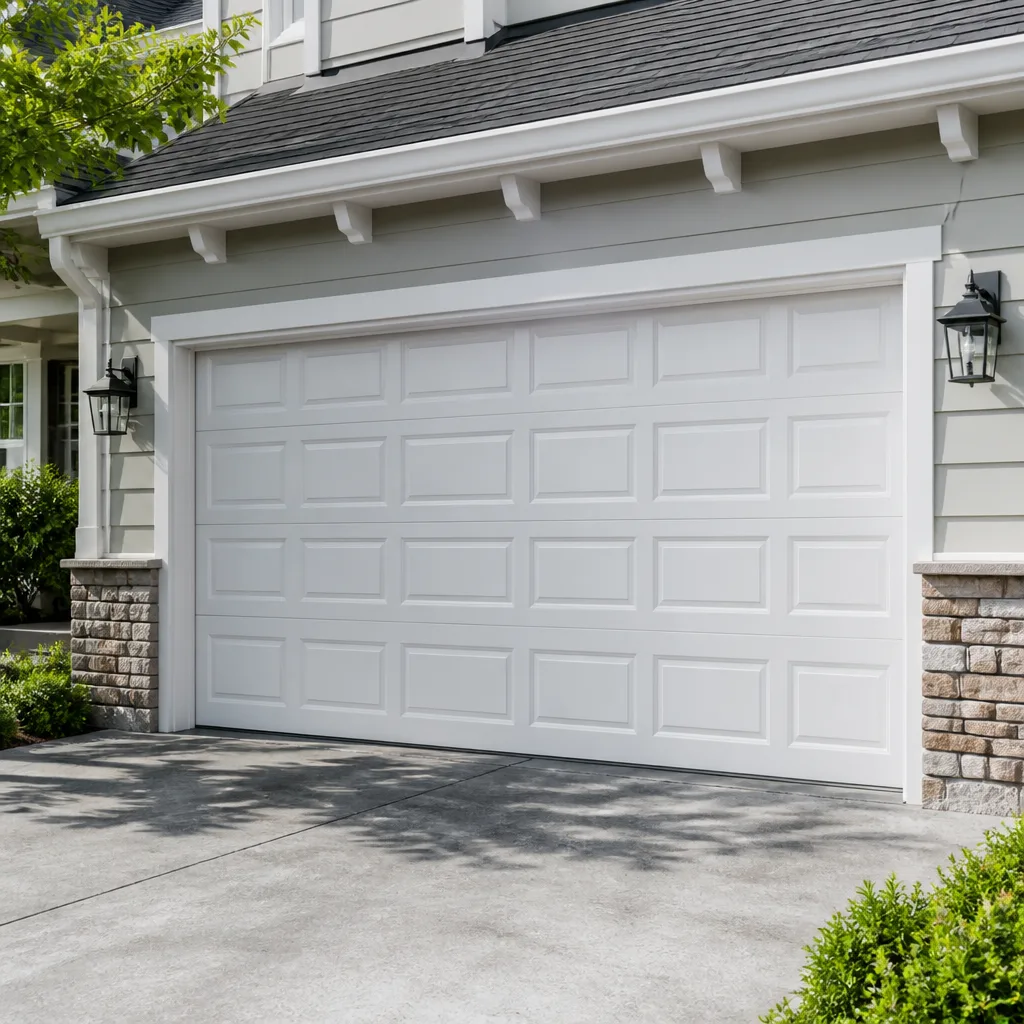
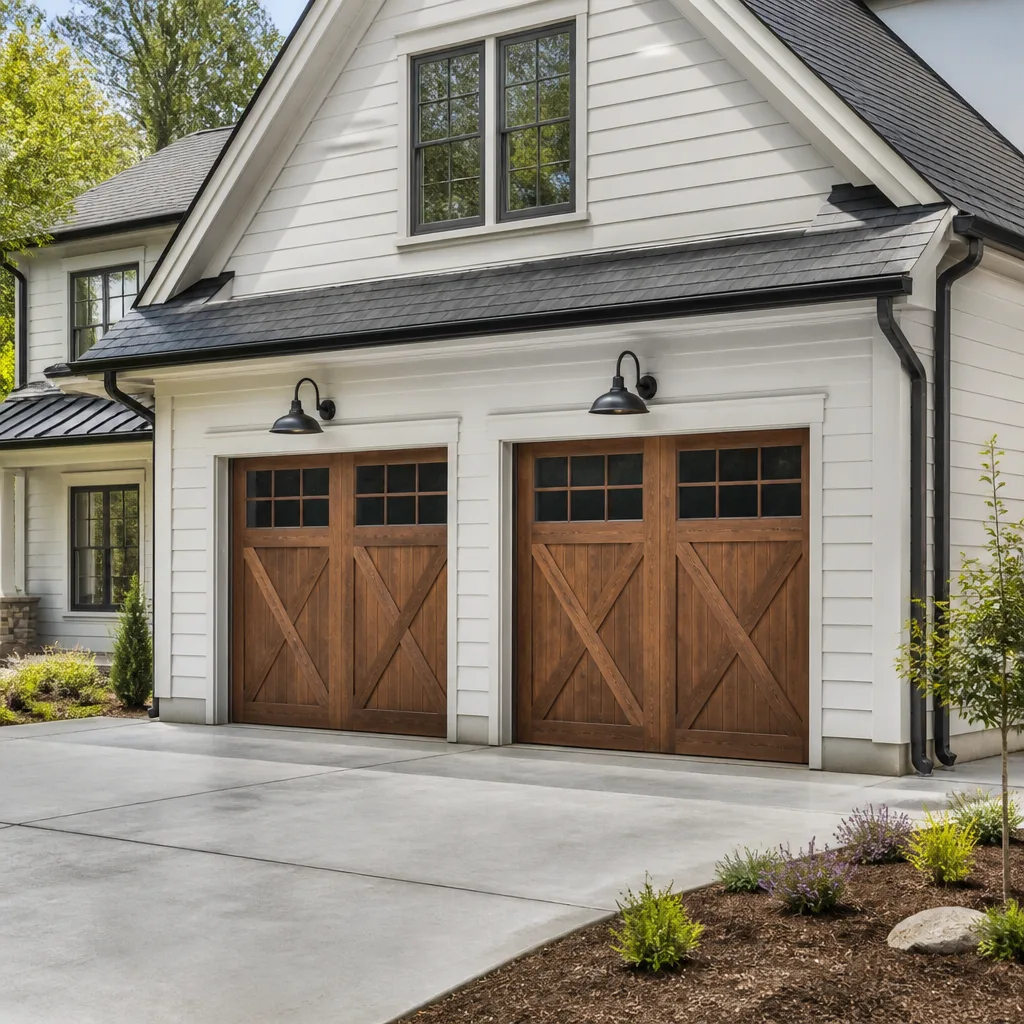
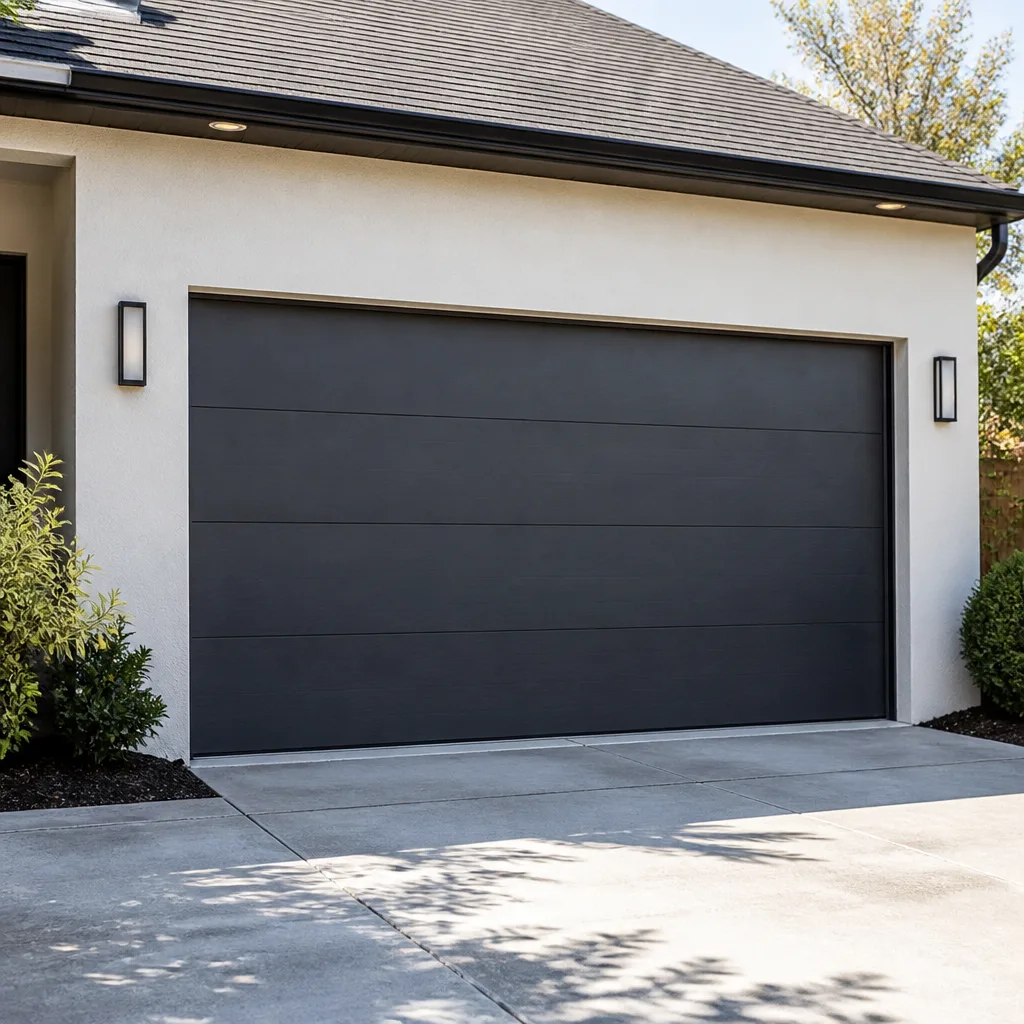
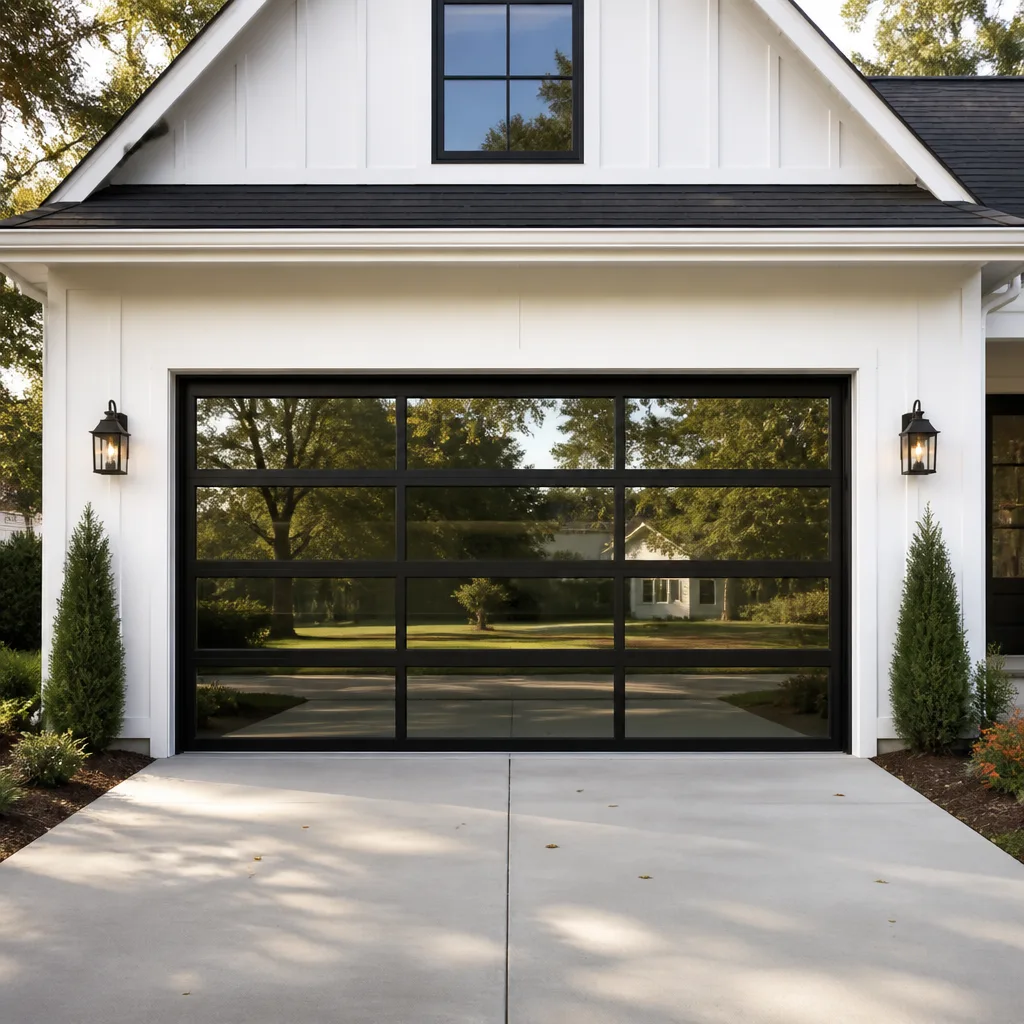
 Before
 After
After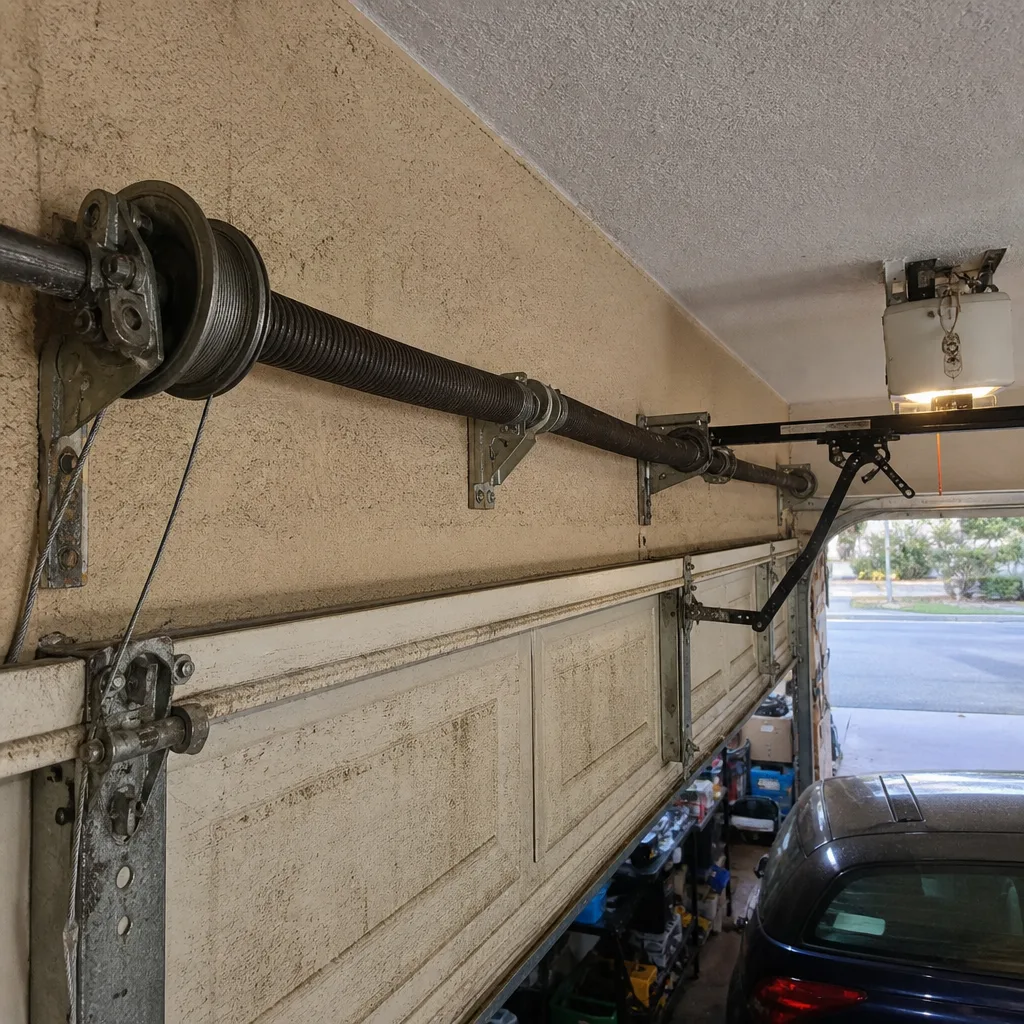 Before
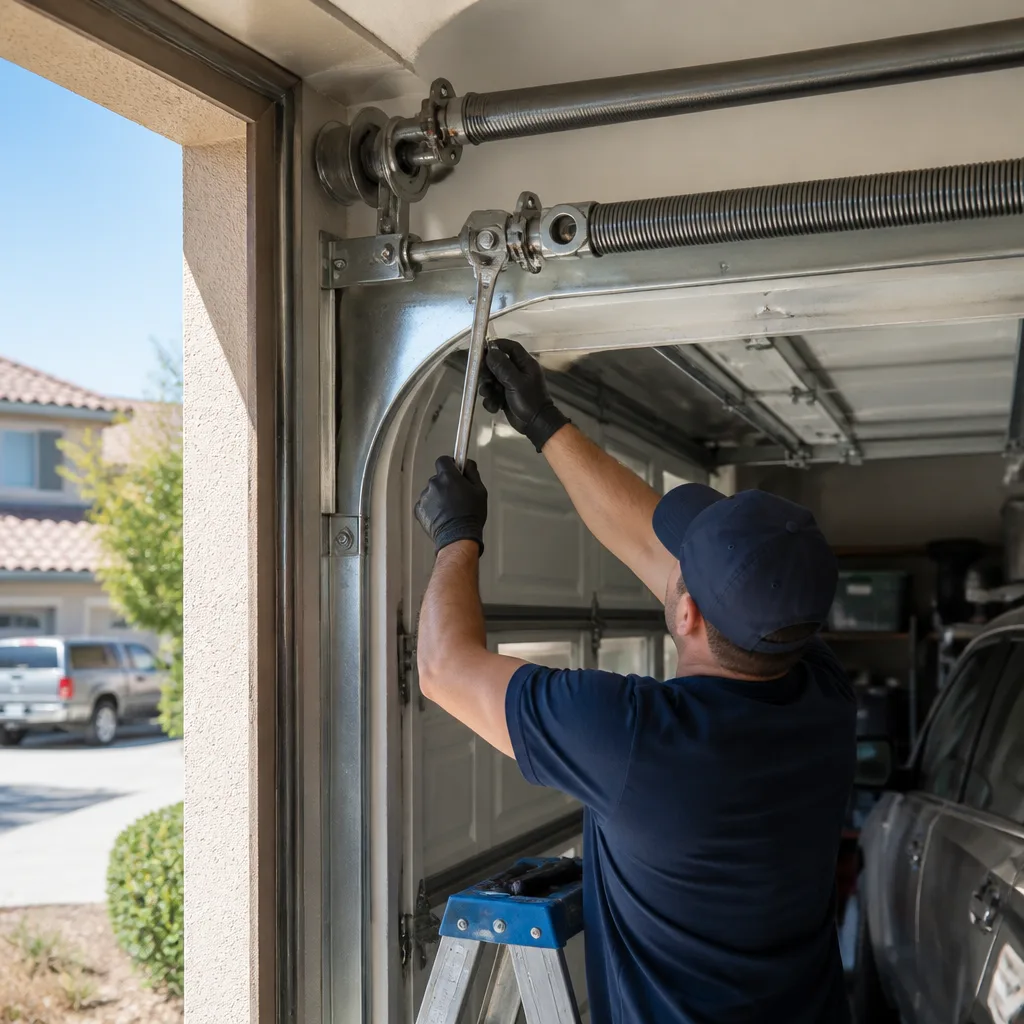 After
After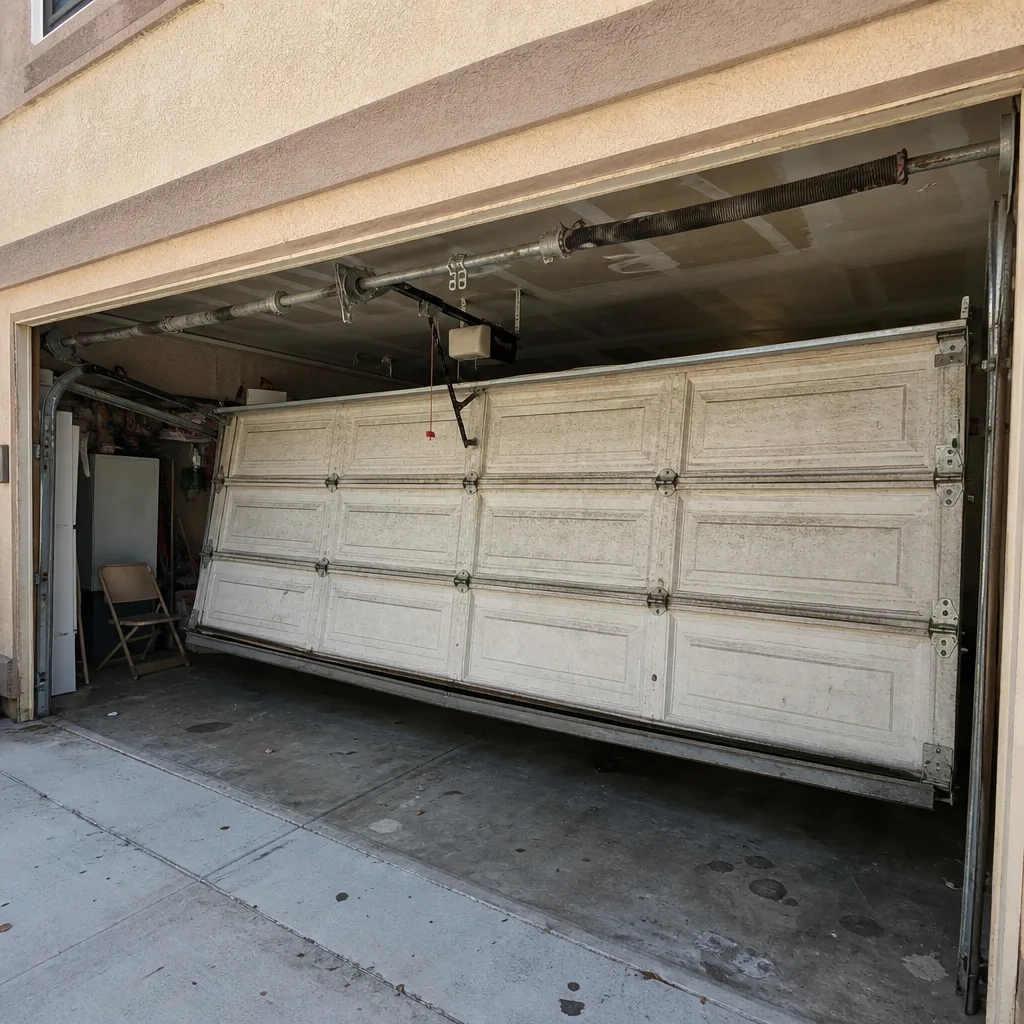 Before
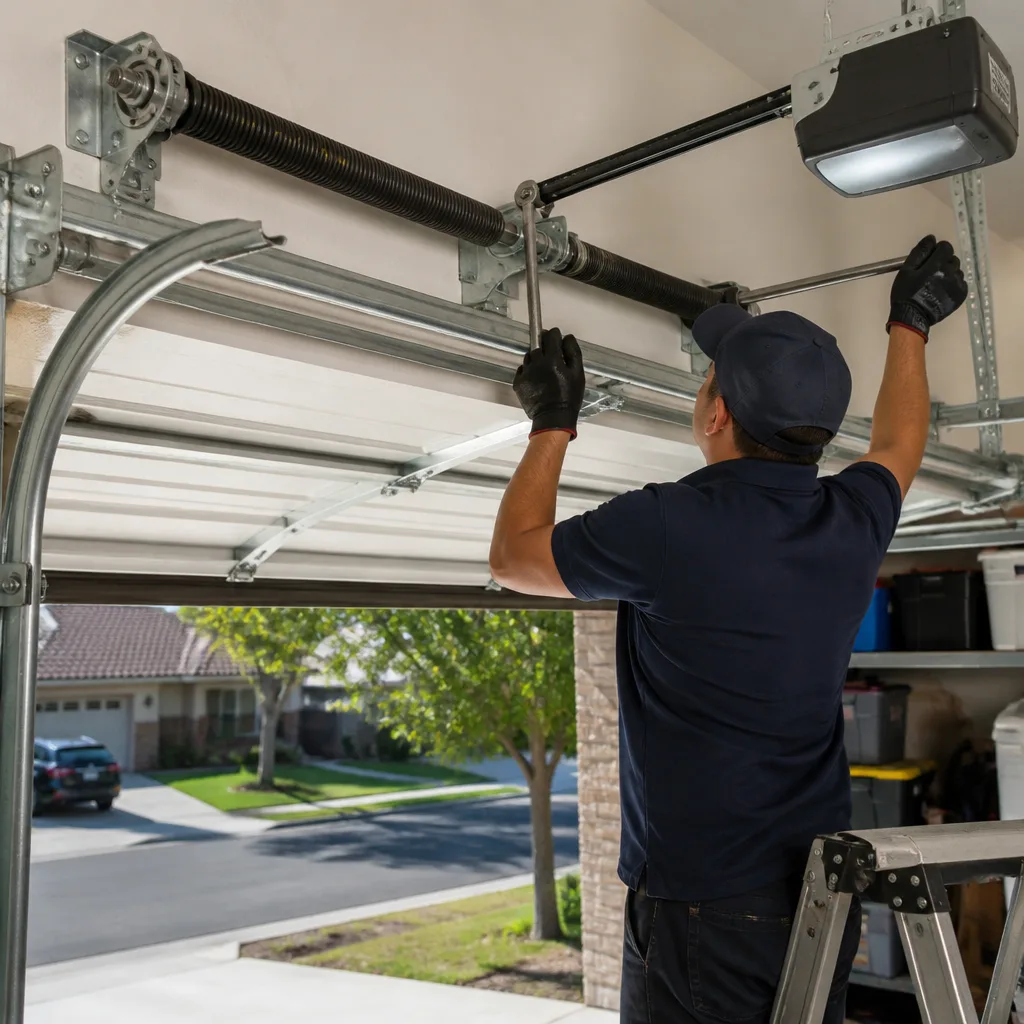 After
AfterGarage Door Permits, Codes & Inspections in CA: What You Need to Know
Most California homeowners assume a garage door replacement is a straightforward swap that needs no paperwork. That assumption is correct roughly two-thirds of the time and financially painful the rest. The difference comes down to whether the project touches the structural opening itself. In Corona, where homes range from 1960s ranchers with original framing to 2020s builds with engineered headers, the permit question splits along neighborhood lines. This guide explains exactly when a permit is required, which authority governs your address, what the California Building Code says about wind loads, and how to document everything so a future buyer’s lender never pauses your escrow over a garage door installed years earlier. For more guides & resources on keeping your door compliant, see our full library.
Quick Answer
A like-for-like garage door replacement in the same opening generally does not require a permit in California. Widening the opening, reinforcing the header, converting a manual door to an automatic opener, or replacing structural framing does. Jurisdiction determines the exact line: Corona city addresses follow Corona municipal code while unincorporated Riverside County addresses follow county requirements. Confirm your AHJ before scheduling work, and get the permit determination in writing from your contractor.
Table of Contents
- The Permit Threshold: When California Requires One
- Corona City vs. Unincorporated Riverside County: Which Governs You
- Wind Load Requirements Under CBC Section 1609 and What It Means for Corona
- The Opener Rule: Why Adding a Motor Changes the Permit Math
- Documentation: What to Request From Your Contractor
- Title and Insurance Consequences of Unpermitted Garage Work
- The Permitting Process Step by Step
- Common Mistakes to Avoid
- When to Call a Professional
- Frequently Asked Questions
- The Bottom Line
BeforeAfterThe Permit Threshold: When California Requires One
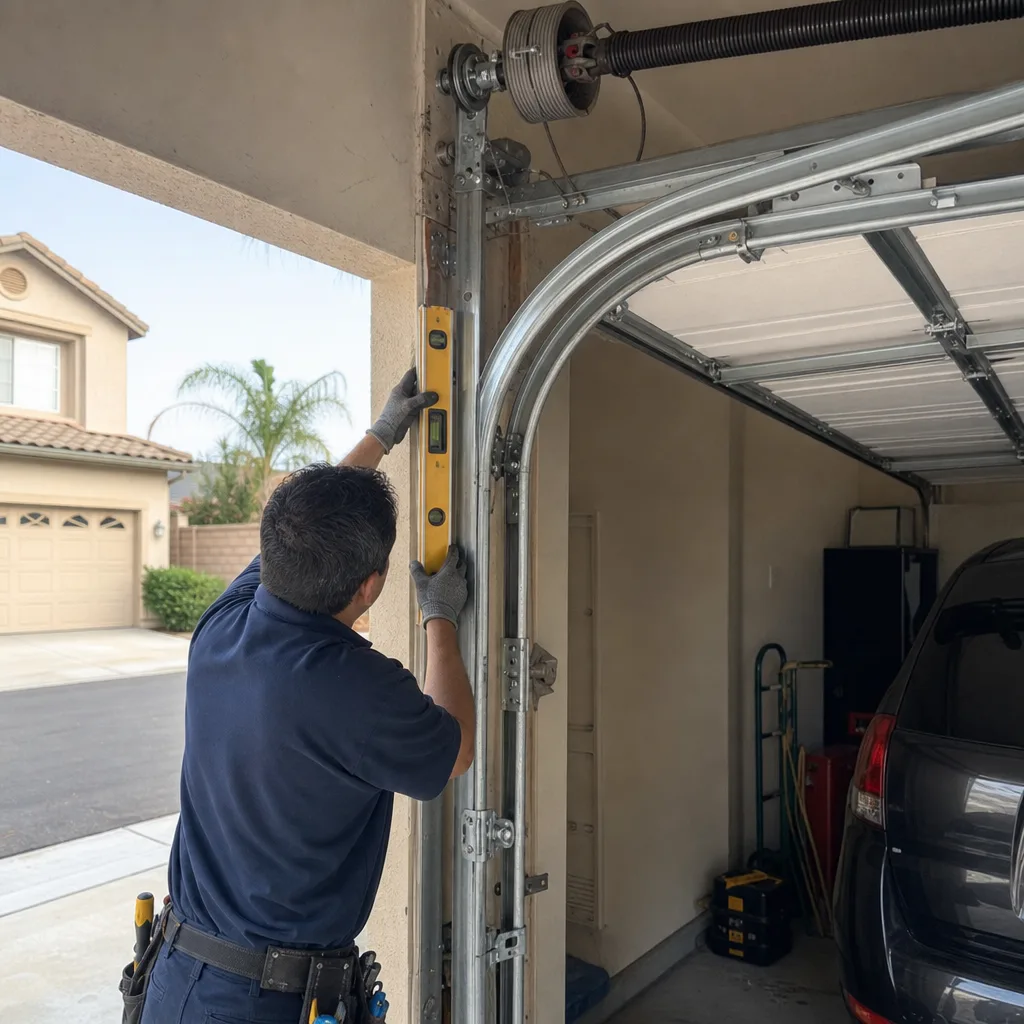
The California Building Code draws the permit line at the structural opening, not at the door itself. Replace a garage door panel-for-panel, track-for-track, in an opening that already exists, and most jurisdictions classify it as a finish repair. No permit. Change the size of that opening, cut into the header, add new framing, or pour a new curb, and the work crosses into structural alteration territory. That triggers a permit in every California jurisdiction we work in, including garage door installation in Corona.
Here is the practical breakdown:
- No permit typically required: Replacing a sectional door with a same-size sectional door, swapping out hinges and rollers, replacing torsion springs, installing a new door on existing track that matches the original rough opening.
- Permit required: Widening a single door to a double, changing a standard opening to a custom height, replacing a rotted header, adding structural steel reinforcement, converting a wall opening into a garage door opening where none existed.
- Gray zone that varies by AHJ: Replacing a one-piece tilt-up door with a sectional door on new track, even when the rough opening stays the same. Some cities call this a repair. Others classify it as a re-installation and want a permit.
The gray zone is where we see Corona homeowners get surprised. A tilt-up to sectional conversion changes the load path on the header because the door system mounts differently. Some building officials want that reviewed. When we quote this work, we photograph the existing opening and note the wall construction before we write the price. Clause 4 of The Haven Standard, the photographic record of what we found, exists precisely because permit determinations depend on what is actually behind the trim, not what the homeowner assumes is there.
Here is the sequence we follow: the technician documents the rough opening dimensions, the header condition, the existing door type, and the wall framing. That record goes to the jurisdiction desk with the question stated plainly: is this a like-for-like replacement or a structural modification? The AHJ answers in writing. That written answer goes into the project file, and the flat written price follows from it. No one guesses. No one discovers a permit problem at 3 p.m. on a Friday halfway through the job.
Corona City vs. Unincorporated Riverside County: Which Governs You
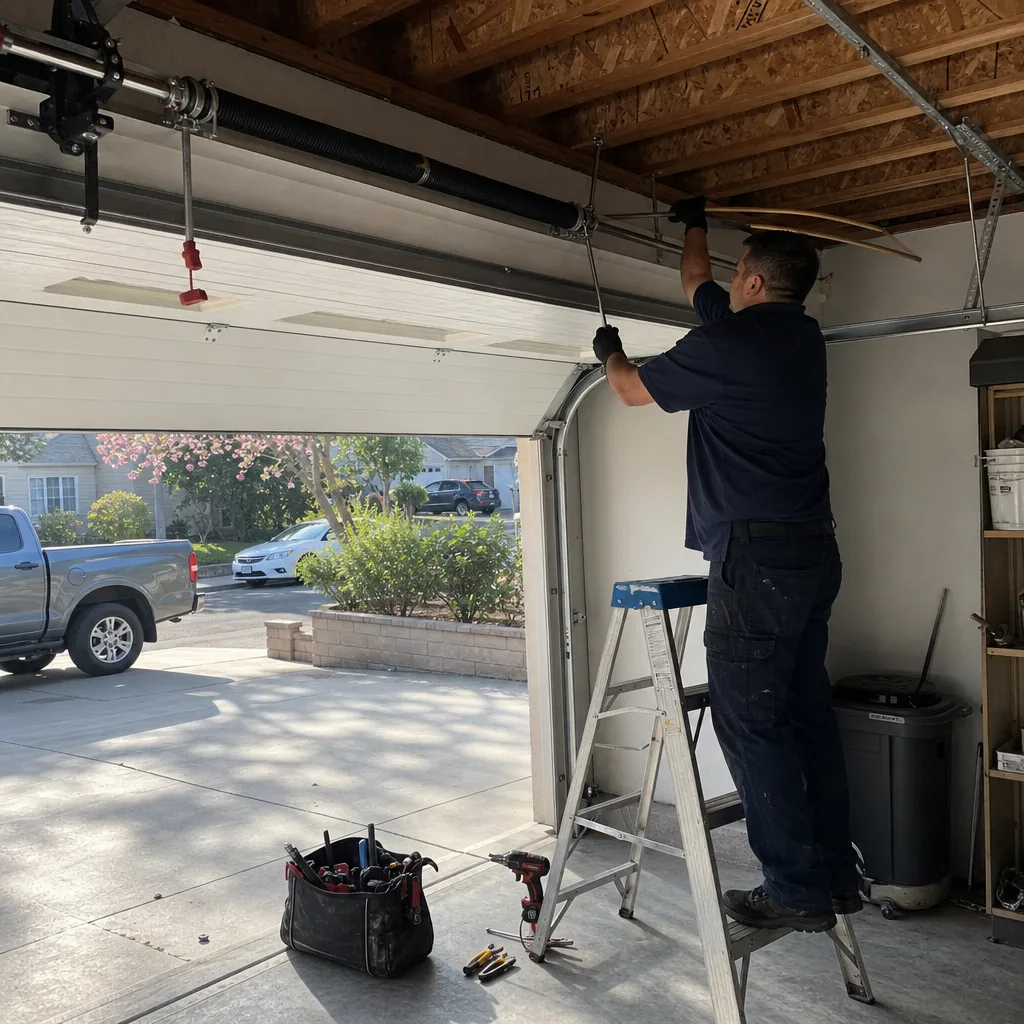
Corona addresses do not all fall under Corona city jurisdiction. The city of Corona sits inside western Riverside County, and the boundary between incorporated city limits and unincorporated county land runs through some surprising places. A homeowner on one side of a street can answer to Corona’s building department while the house across the street answers to the county. The difference matters because the two authorities have different permit thresholds, different fee schedules, and different inspection practices.
How to confirm your jurisdiction in about five minutes:
- Pull up your property tax bill. The taxing agency line tells you the primary authority: City of Corona or County of Riverside.
- Check the Riverside County parcel viewer online. Enter your address and the jurisdiction field tells you the AHJ.
- Look at your street address. If it says Corona, CA, you might still be unincorporated. If it says a neighborhood name like Temescal Valley, El Cerrito, or Home Gardens, you may be county-governed with a Corona mailing address.
- Call the Corona Building Division and ask directly. Give them the parcel number. They will confirm in two minutes whether they are your AHJ.
The practical consequence: a door replacement that City of Corona treats as a finish repair might require a county review if you fall on the unincorporated side. The county tends to be more literal about the code language. When we quote a project for a homeowner whose address sits in an unincorporated pocket, we budget for the possibility of a permit review even on work that would sail through on the city side. The written scope reflects that upfront. That is the entire point of a written price before any work starts: the homeowner sees the permit contingency in dollars, on paper, before agreeing to anything.
Northern Corona neighborhoods like Sierra del Oro and South Corona communities like Wildrose Ranch fall under city jurisdiction. Eagle Glen, Dos Lagos, Terramor, Yes. Those are city. But drive west on Cajalco toward the 15 and the jurisdiction can shift. We do not rely on the address line to tell us. We confirm at the AHJ. Marcus Deller established that practice in 2015, and it has saved homeowners from retroactive inspection fees more times than we can count.
Wind Load Requirements Under CBC Section 1609 and What It Means for Corona
California Building Code Section 1609 requires garage doors to resist wind loads based on the exposure category and wind speed zone of the site. Corona sits inland, east of the Santa Ana Mountains, which puts much of the city in a lower wind exposure category than coastal Orange County or the mountain passes. But lower does not mean none. The Santa Ana winds that funnel through the canyons from late September through November produce sustained gusts that test poorly anchored door systems. We have seen sectional doors lift off their tracks in Temescal Valley during strong Santa Ana events, not because the door failed but because the track bracketing was sized for a calm suburb.
What wind zone compliance actually means on a door’s spec sheet:
- Design wind pressure rating expressed in pounds per square foot. A door rated for 15 psf meets the requirement in most inland Corona neighborhoods. The same door is inadequate in a wind-corridor site.
- Exposure category assigned to your site: B, C, or D. Most of Corona is Category B or C. The rating appears on the door’s engineering documentation, not on the retail box.
- Reinforced track and bracket assemblies specified for higher wind zones. The difference is visible: heavier gauge steel, more anchor points, shorter spacing between brackets.
When you buy a door for a Corona home, ask for the wind load documentation that matches your site. A door from Raynor, LiftMaster, or Genie ships with a spec sheet that includes the design pressure rating. That sheet belongs in your project file. If the contractor cannot produce wind load documentation, walk away. The reason matters more than most homeowners realize: an unpermitted structural issue discovered at resale is one problem, but an under-rated door that fails during a Santa Ana event and damages a vehicle or injures a person becomes a liability question that your homeowner’s insurance will scrutinize. Watch for these Garage Door Warning Signs: A Corona Homeowner’s Reference Guide to catch problems early.
For homeowners in the Eagle Glen, Dos Lagos, and Terramor developments, the builders specified doors rated for the site. Replacing one with a big-box door that looks similar but carries a lower design pressure rating is a downgrade you will not feel until a strong northeast wind arrives. We check this on every garage door repair in Corona call and on every replacement quote. The wind rating goes into the written scope. If the existing door is under-rated, the documentation reflects it, and the recommendation reflects the code requirement.
The Opener Rule: Why Adding a Motor Changes the Permit Math
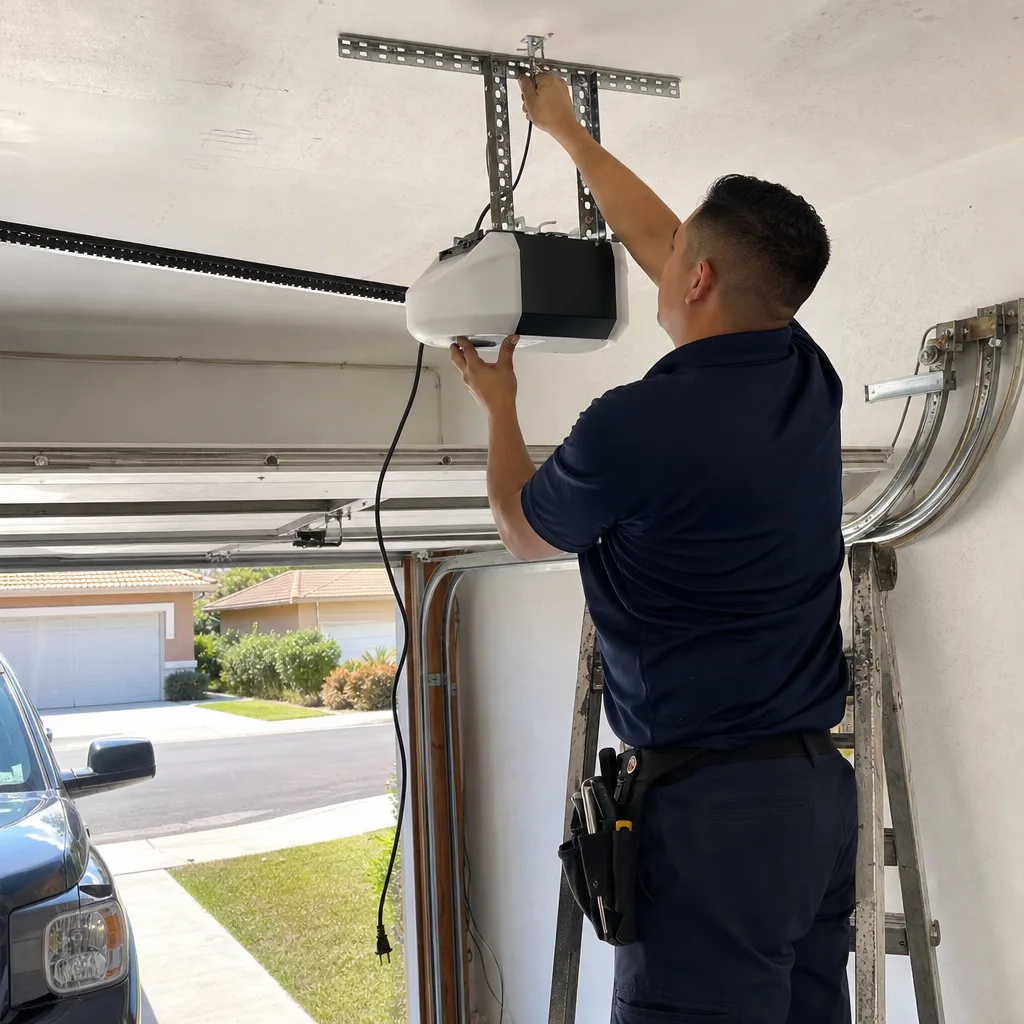
Here is a permit trigger most homeowners do not expect: adding a garage door opener to a previously manual door often requires a permit, even when the door itself does not change. The reason is electrical. A garage door opener means a new circuit or an extension of an existing one, a motor load calculation, and a code review of the outlet placement. In Corona, the building division treats this as an electrical alteration, not a door repair. The permit is usually inexpensive compared to the opener, but skipping it creates the same paper trail problem as skipping a structural permit.
The distinction matters in practice:
- Replacing an existing opener with a new opener on the same circuit: Usually no permit, same as swapping a light fixture.
- Adding an opener where no opener existed: Permit required in most jurisdictions because you are adding a new electrical load.
- Moving an opener outlet or adding a dedicated circuit: Permit required. This is electrical work, not door work.
- Installing a battery backup or standby power system: May require a separate review depending on the AHJ’s interpretation of the electrical code.
The smart-home trend has made this more common, not less. A homeowner buys a Chamberlain or Genie opener with Wi-Fi, schedules the install, and the contractor wires it into an existing ceiling outlet that was never intended for a motor. The outlet passes the test until it does not. When we do garage door opener repair and installation in Corona, the photo record includes the outlet, the circuit, and the wire gauge. That documentation tells the story before the work starts. If the circuit cannot carry the motor load, the written price includes the electrical correction, and the permit question gets answered by the AHJ, not by assumption.
The retroactive inspection risk compounds: an unpermitted opener installation discovered at sale can trigger the same correction-and-inspect sequence as an unpermitted door widening. The buyer’s home inspector flags the work. The lender asks for permits. The seller pays for the correction under time pressure. This is the precise scenario the permit conversation is meant to prevent, and it is avoidable with a half-hour conversation with the building desk before the opener goes in.
Documentation: What to Request From Your Contractor
Most California homeowners never ask their garage door contractor for documentation, and most contractors do not volunteer it. That asymmetry is the entire problem. A signed statement of permit responsibility, placed in the project file before work starts, changes the legal and practical picture if the permit question arises later. Here is what belongs in that file:
- Written permit determination: A one-paragraph statement from the contractor identifying the AHJ, the specific work, and whether a permit is required. If no permit is required, the statement says why, citing the applicable code section or AHJ determination.
- Signed scope of work: The flat written price with the work described in physical terms: door size, brand, model, track type, opener inclusion, electrical work if any, permit fees if applicable.
- Wind load documentation: The door’s design pressure rating and exposure category, matching the site. This is the spec sheet from the manufacturer.
- Photo record of existing conditions: The failed component, the rough opening, the framing, the electrical, before work starts. Clause 4 of The Haven Standard requires this on every visit because the documentation itself is the evidence.
- Permit application copy if a permit was required: the stamped application, the inspection result, and the final approval.
The documentation exists for one reason: a future buyer’s lender may ask for it. When a home sale reaches the point where the lender’s underwriter asks about the garage door, the homeowner with a project file answers in minutes. The homeowner without one has a problem. We have watched this unfold in escrow: a buyer’s inspector notices a widened garage door opening that does not match county records, the lender freezes funding, and the seller scrambles for a retroactive permit that costs three times the original permit fee and takes weeks. The paper file changes that outcome entirely.
Ask your contractor one question before signing: will you give me a signed statement saying whether this work requires a permit, and the AHJ determination in writing? If the answer is anything other than yes, find another contractor. Marcus Deller has made this practice standard at Servo Garage Doors Corona since 2015 because the paper trail is the product. The door works or it does not. The documentation protects you either way.
Title and Insurance Consequences of Unpermitted Garage Work
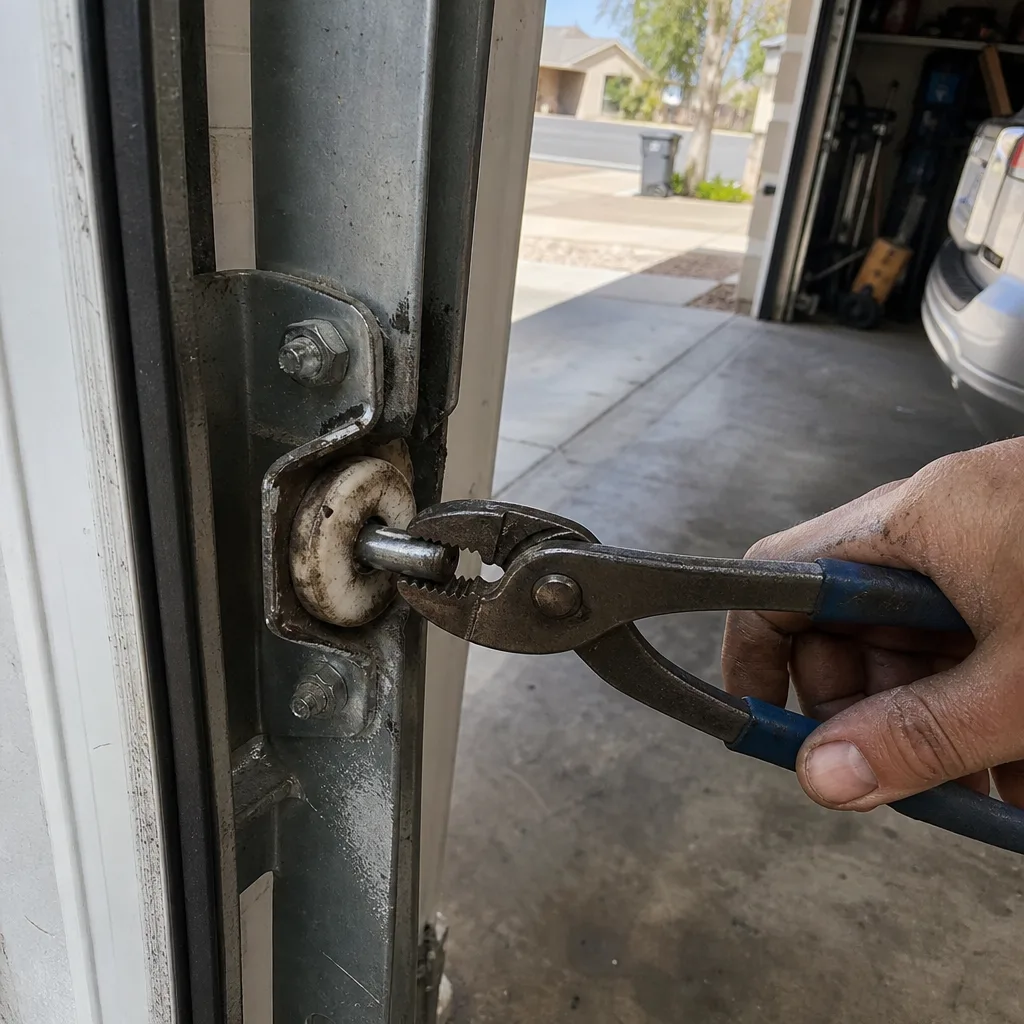
Title insurers do not inspect garages. They search records. When a garage modification was never permitted, the county records do not reflect it, and the title insurer writes the policy without knowing the opening was widened, the header was replaced, or the opener was added without electrical review. The problem surfaces later, often at the next sale, when a new buyer’s due diligence uncovers the discrepancy. At that point, the title insurer’s standard policy typically excludes coverage for losses arising from unpermitted work that predates the policy. The homeowner bears the correction cost.
Standard homeowner’s insurance has a similar gap. Most policies exclude coverage for damage caused by or related to work that required a permit but was not permitted, when the unpermitted work contributes to the loss. A garage door that fails during a wind event, damages a vehicle, and is later found to have been under-rated for the site’s wind zone creates a coverage dispute. The insurer investigates. The permits say the door met code at installation, or they say nothing. When they say nothing, the homeowner is arguing from a hole.
The practical, current scenario in unincorporated Riverside County: a garage door installed without the required permit in, say, the Temescal Valley corridor can trigger a mandatory retroactive inspection at the point of home sale. The buyer’s lender, seeing county records that do not match the physical improvement, may require the correction and inspection as a condition of funding. The seller pays. The time pressure is real. The cost is measured in permit fees, inspection fees, possibly a structural review, and the delay. This is the precise risk that a like-for-like determination avoids, and it is why the written permit determination belongs in the project file on day one.
None of this is about punishment. It is about a system that records what changed so future owners know the work met the code at the time. The California building code and local AHJ records exist to make that knowledge available. A contractor who skips the permit conversation is not saving you money. They are moving a cost forward in time, with interest, to the moment when you can least afford the delay.
The Permitting Process Step by Step
When a permit is required for a Corona garage door project, the process looks like this. It is neither mysterious nor slow when started correctly. The hurdles are paperwork, not engineering.
- Determine the AHJ. Confirm whether your parcel falls under City of Corona building division or Riverside County. Do not guess from the mailing address. The parcel number and the tax bill are definitive.
- Describe the work. Write one paragraph: the existing opening dimensions, the proposed door size and type, whether an opener is being added or replaced, and whether any framing or header work is planned. Include photos. The permit tech reads this description first, and a clear description gets a clear answer.
- Submit the application. Corona offers over-the-counter review for simple door replacements and structural review for openings that change. The county follows a similar path. Fee ranges for a simple permit are typically low double digits to low three figures depending on valuation. The exact fee comes from the AHJ, not from the contractor’s guess.
- Wait for plan review. Simple reviews take days. Structural reviews take longer if the plan reviewer asks for an engineer’s letter. A widened opening over eight feet typically triggers an engineer’s calibration on the header.
- Perform the work. The contractor completes the door, the opener, the framing, whatever the permit scope describes. Photograph the work at rough stage and at completion. The photo record matters at inspection.
- Call for inspection. The inspector verifies the work matches the approved scope. We have seen Corona inspectors check header size, anchor bolt pattern, and wind load documentation in a fifteen-minute visit. A clear paper file makes the inspection quick.
- Receive final approval. Keep the signed final. Put it in the project file with the photo record, the wind load sheet, and the contractor’s permit determination. That file is the answer to every future question about your garage door.
Notice the role of the written scope in this sequence. Clause 1 of The Haven Standard says a flat written price and written scope before any work starts. The permit process works the same way. You know the fee, you know the timeline, you know the outcome before the first tool leaves the truck. The documentation is the deliverable as much as the door.
Common Mistakes to Avoid
- Assuming all Corona addresses are city addresses. The unincorporated pockets around Temescal Valley and the Cajalco corridor mean a mailing address in Corona sometimes answers to the county. Verify the AHJ by parcel number before scheduling any structural work.
- Treating a tilt-up to sectional conversion as a finish repair. The opening may stay the same size, but the mounting system changes the load path. Some AHJs in Riverside County want a review. Ask before the old door comes out.
- Skipping the wind load check. A door rated for a calm coastal suburb is not rated for a Santa Ana wind corridor. The spec sheet must match the site’s exposure category. An under-rated door is a resale liability, not a bargain.
- Adding an opener without checking the electrical. A Wi-Fi opener pulling from an old ceiling outlet on a shared circuit is a code question waiting to be asked. The AHJ wants the electrical reviewed when a new motor load appears.
- Buying the door first and asking about permits second. The permit question is answered by the work description, not by the door’s price. Describe the full scope to the AHJ before money changes hands.
- Trusting a verbal permit promise. “We handle the permit” means nothing in writing. The signed permit responsibility statement is the document that matters. If the contractor will not sign it, the risk stays with you.
- Filing no record of the work you did. Even when no permit is required, the photo record and the contractor’s written determination belong in the project file. That file is the difference between a smooth sale and a funding freeze at escrow.
When to Call a Professional
Some garage door permit questions resolve with a phone call to the building desk. Others require someone who reads the framing and the spec sheet at the same time. Call a professional when the opening is changing size, when the header shows signs of sag or rot, when a manual door is getting a motor for the first time, or when the project file needs to satisfy a lender’s questions at sale. The permit conversation starts with documentation, not with a sales pitch. Servo Garage Doors Corona offers free estimates in Corona and photographs the existing conditions before any price is quoted. Call (951) 482-7637 and ask for the permit determination conversation. It costs nothing and the written answer protects everything that comes after.
Frequently Asked Questions
Like-for-like replacement in the same opening generally does not require a permit in California. Widening the opening, changing the header, or adding an opener to a previously manual door usually does. The line is jurisdiction-specific, so confirm with the AHJ before work starts. Call (951) 482-7637 for a written permit determination on your specific project.
Check your property tax bill for the taxing agency line: City of Corona or County of Riverside. You can also look up your parcel on the Riverside County parcel viewer or call the Corona Building Division with your parcel number. The answer takes minutes and determines which permit rules apply. We confirm jurisdiction on every quote before writing the scope.
Corona falls under California Building Code Section 1609, with most inland neighborhoods classified as Exposure Category B or C. The door’s spec sheet must show a design pressure rating that matches the site. Santa Ana wind corridors in areas like Temescal Valley can demand higher-rated track and bracketing. Ask for the wind load documentation before buying any door.
Replacing an existing opener on the same circuit usually needs no permit. Adding an opener where none existed typically requires an electrical permit because a new motor load is being added. The outlet, circuit, and wire gauge must meet code. Call (951) 482-7637 for an exact answer for your garage’s electrical setup, and we will confirm with the AHJ before quoting.
Request a signed permit determination, a written scope of work with a flat price, wind load documentation matching your site, a photo record of existing conditions, and a copy of any permit application and final approval. The photo record is standard on every Servo visit under Clause 4 of The Haven Standard. That paper file answers future buyer and lender questions within minutes.
The buyer’s lender may require a retroactive inspection and correction before funding. The seller pays permit fees, inspection fees, and any required corrective work under time pressure. Title insurance and homeowner’s policies often exclude losses tied to unpermitted work. Documenting the permit determination at the time of installation prevents this entire scenario.
The Bottom Line
California’s permit question for garage doors is answered by one fact: did the project touch the structural opening? Like-for-like replacement usually needs no permit. Widening, header changes, and first-time opener installations usually do. Corona’s split between city and county jurisdiction makes confirmation a required first step, and wind load compliance is a resale issue even when no permit is involved. The paper file is the product. A written permit determination, a photo record, and a signed scope of work mean a future sale never stalls over a garage door installed years earlier. That is the entire argument for documentation-first contracting, and it is the standard Servo Garage Doors Corona has worked to since 2015. For more guides & resources and a free estimate with written permit determination, call (951) 482-7637.
Written by Marcus Deller, Owner at Servo Garage Doors Corona, serving Corona since 2015.