
Last updated September 20, 2026
Full 25-point door and opener safety check with every visit - springs, cables, rollers, tracks, and your LiftMaster or Chamberlain opener included
You get a price before we start. It does not change when the truck arrives.
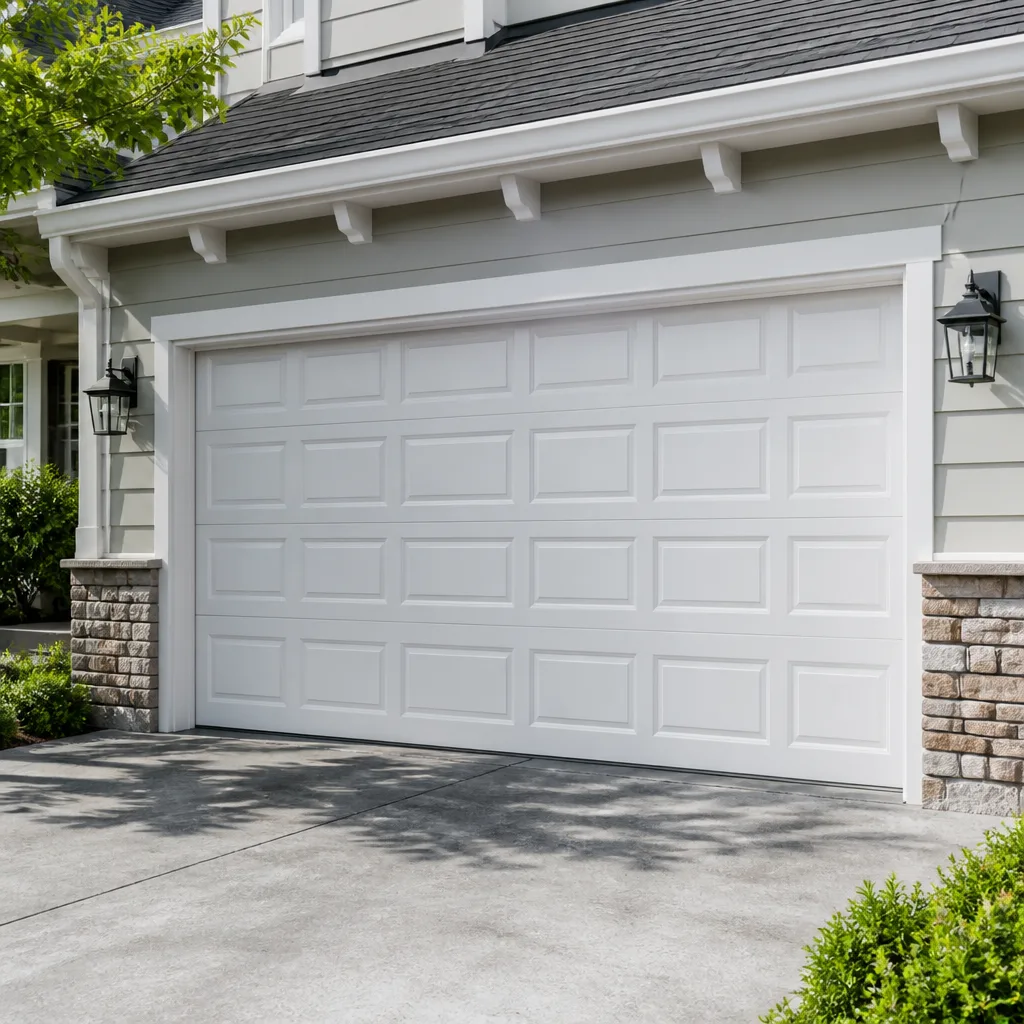
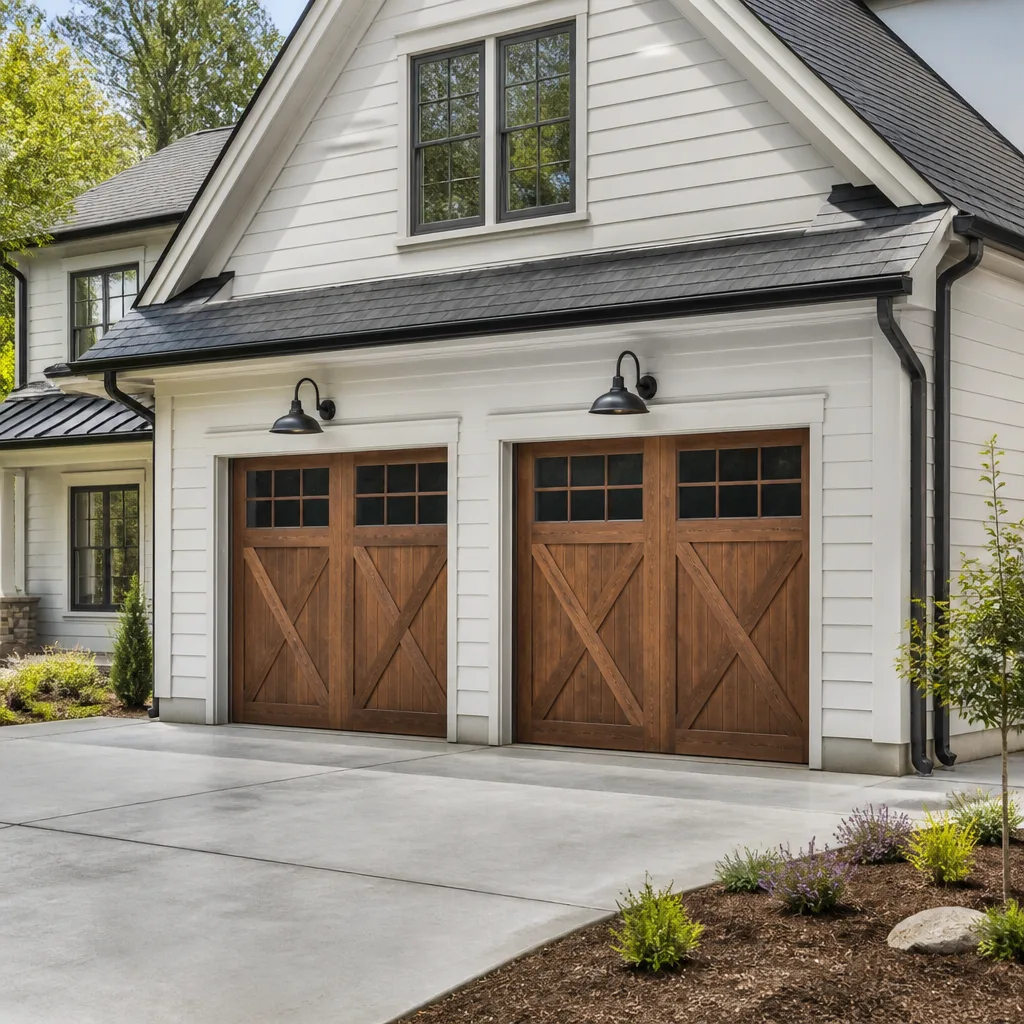
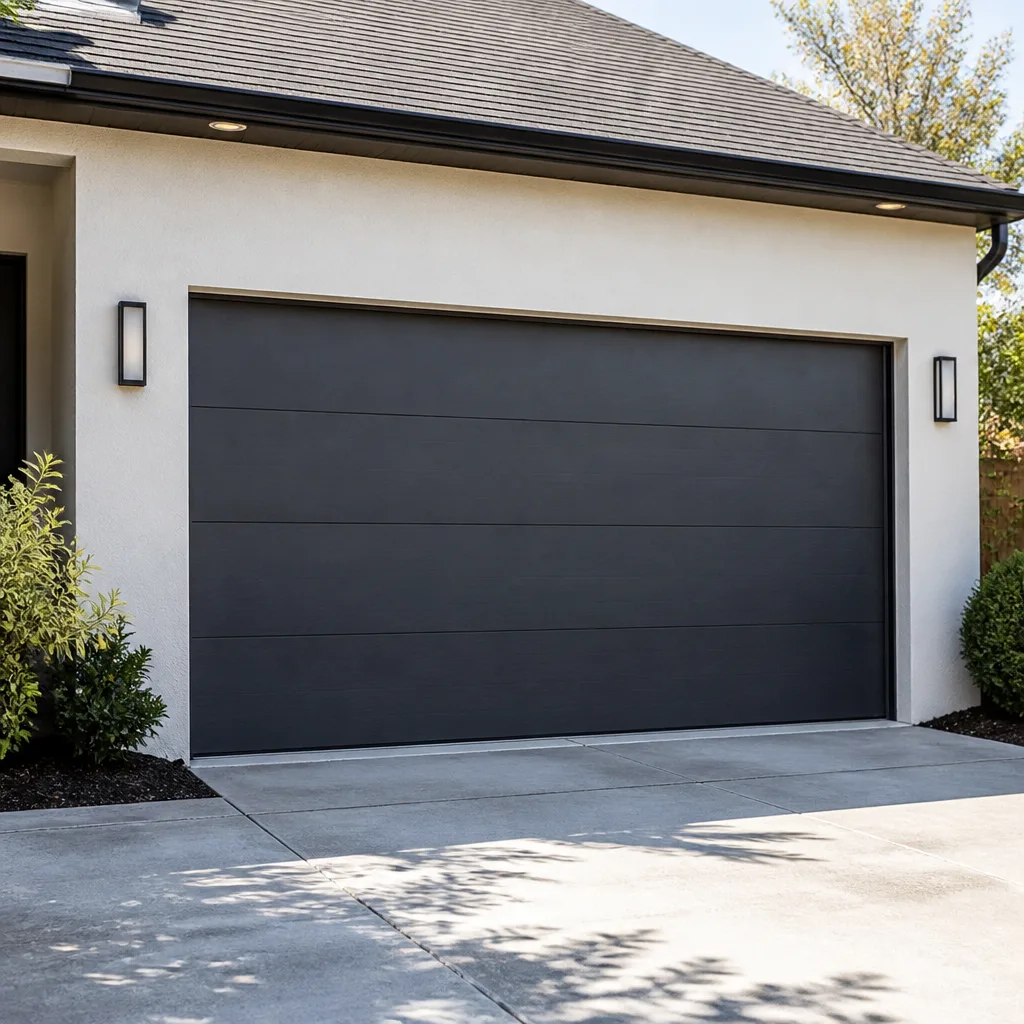
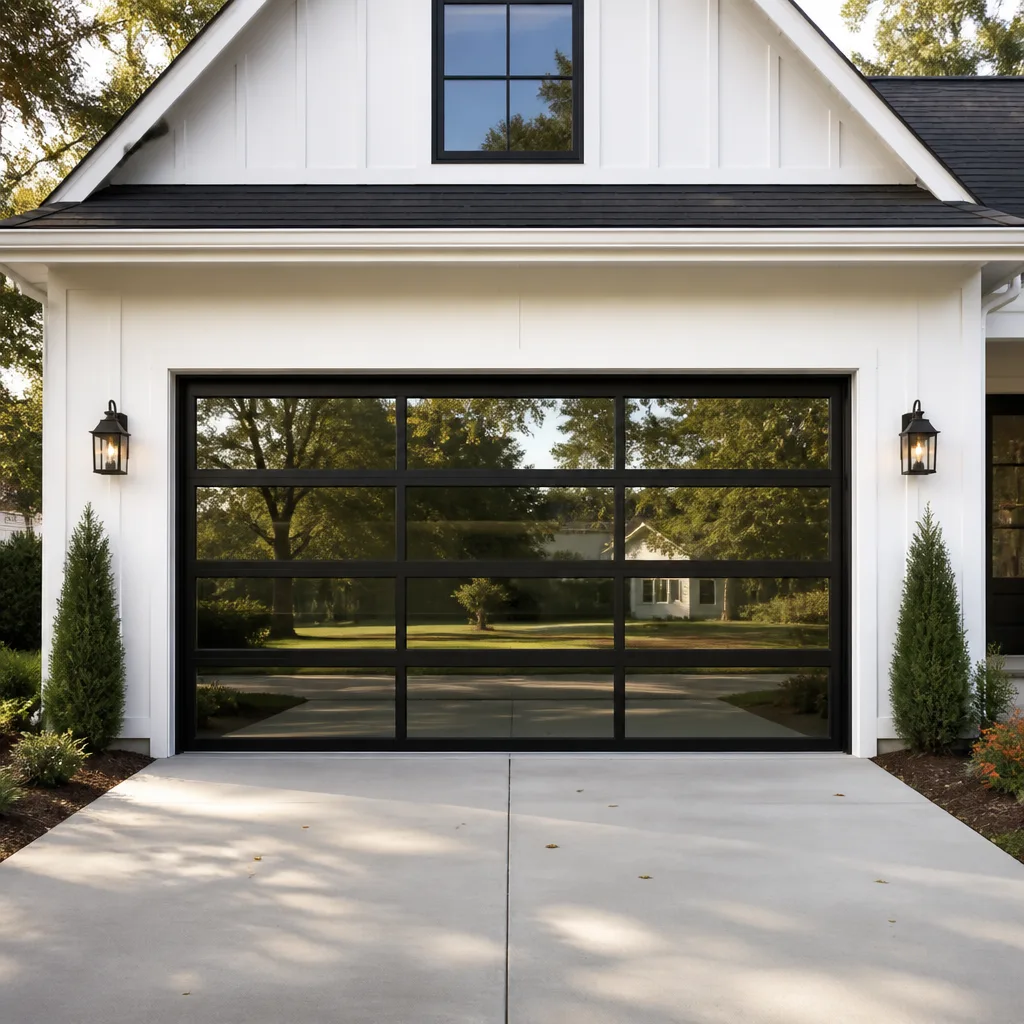
 Before
 After
After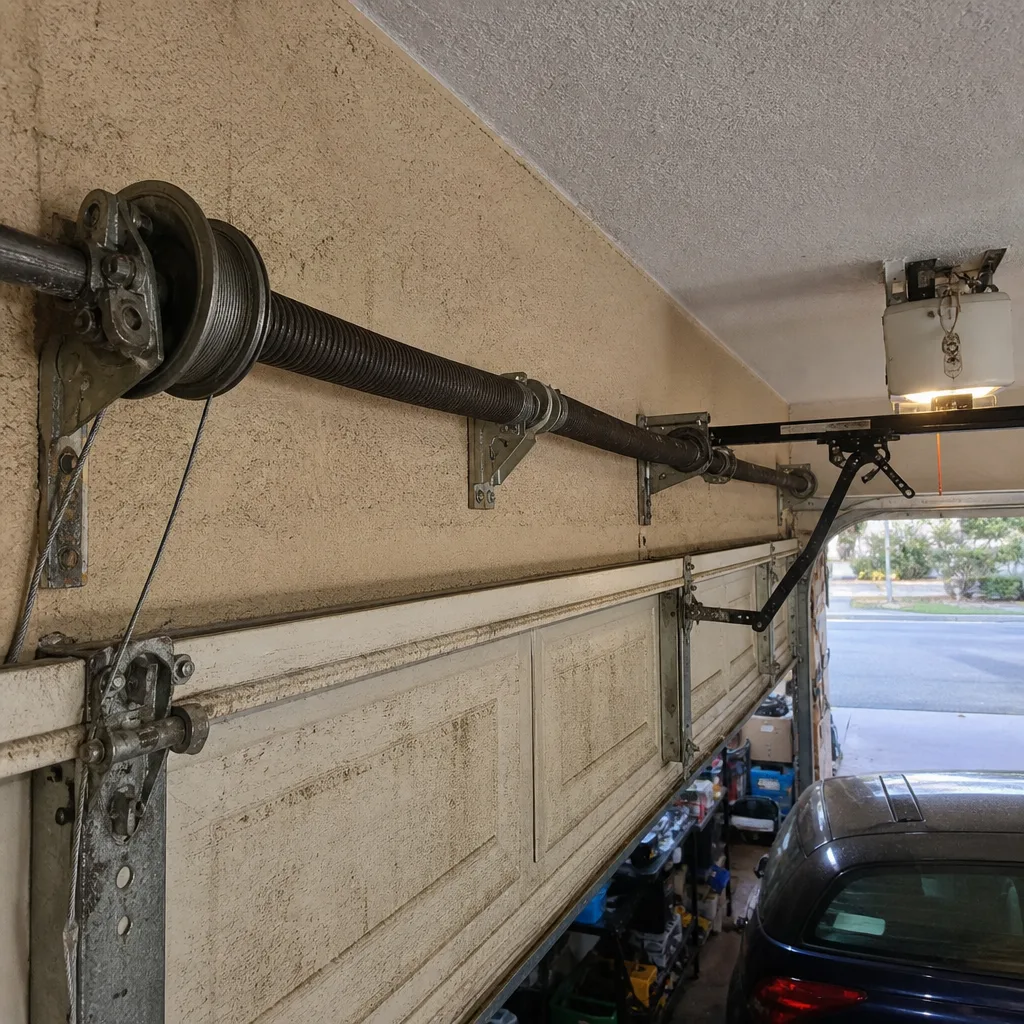 Before
 After
After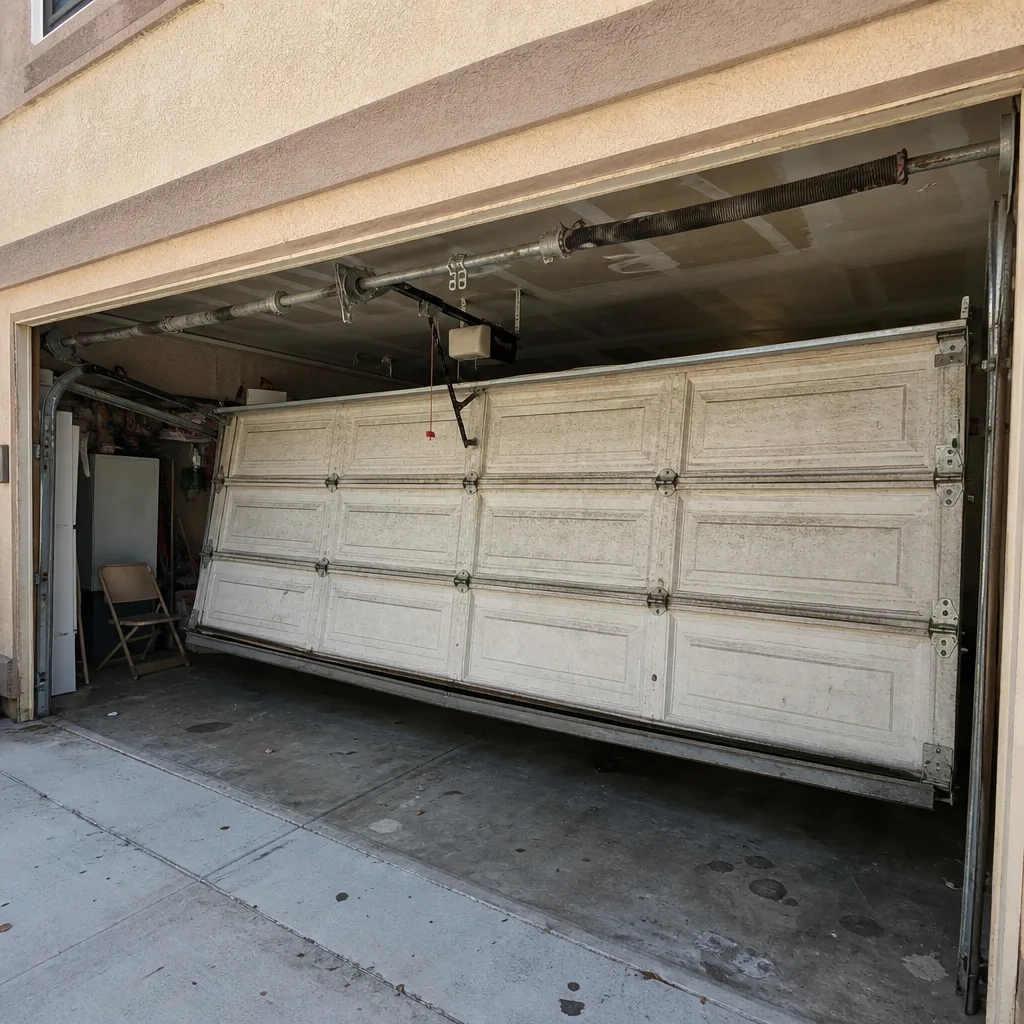 Before
 After
AfterGarage Door Warning Signs: A Corona Homeowner’s Reference Guide
Most garage door guides treat every noise, shake, and hesitation as an emergency. That’s not useful. A door that’s 2 seconds slower in February is responding to cold-stiffened grease; a door that reverses before touching the ground is displaying a limit-switch fault. Those are different problems with different timelines and different price tags. The trick is knowing which is which. Here’s the point of this guide-our Complete Guide to Garage Door in Corona: when a warning sign shows up, you should be able to say “this is the component, this is why it’s happening, and this is whether it can wait until Saturday.” If you live in Corona, where summer heat hardens rollers and the dry air does its own work on nylon bushings, the list below is written for your climate specifically.
Quick Answer
The garage door warning signs that matter most in Corona are: a door that reverses before reaching the floor (limit-switch or safety-sensor fault, not a spring), a visible gap in a torsion spring (do not operate, call immediately), frayed cables near the bottom bracket (imminent failure, same-day repair), grinding during travel (roller or bearing wear, repairable within weeks), and a door that drifts down after opening (spring tension loss, schedule within the month). The single most important rule: if the warning sign involves a spring, cable, or bottom bracket, stop operating the door and call a professional. Everything else can be logged, photographed, and monitored.
Table of Contents
- Symptom-to-Component Index: 12 Warning Signs, Mapped to the Part Responsible
- Stop-Now vs. Monitor-for-30-Days: How Each Warning Sign Is Classified
- How to Photograph a Warning Sign Correctly
- The Three Warning Signs That Mean Imminent Cable or Spring Failure
- The Documentation Log: Why Dated Notes Matter When You Get a Quote
- Corona-Specific Factors: Heat, Dust, and What They Do to Your Door
- What Each Warning Sign Costs to Fix in Corona
- Common Mistakes to Avoid
BeforeAfterSymptom-to-Component Index: 12 Warning Signs, Mapped to the Part Responsible
Here is the index. Use it like a field manual: find the behavior, read the reason, note the action. We’ve written the diagnostic reasoning in plain terms because the misdiagnosis is often worse than the fault. A door that is slow to open is not necessarily a dying opener motor; in Corona it’s often a set of nylon rollers that have hardened in the heat, and replacing them is a fraction of the cost of an opener.
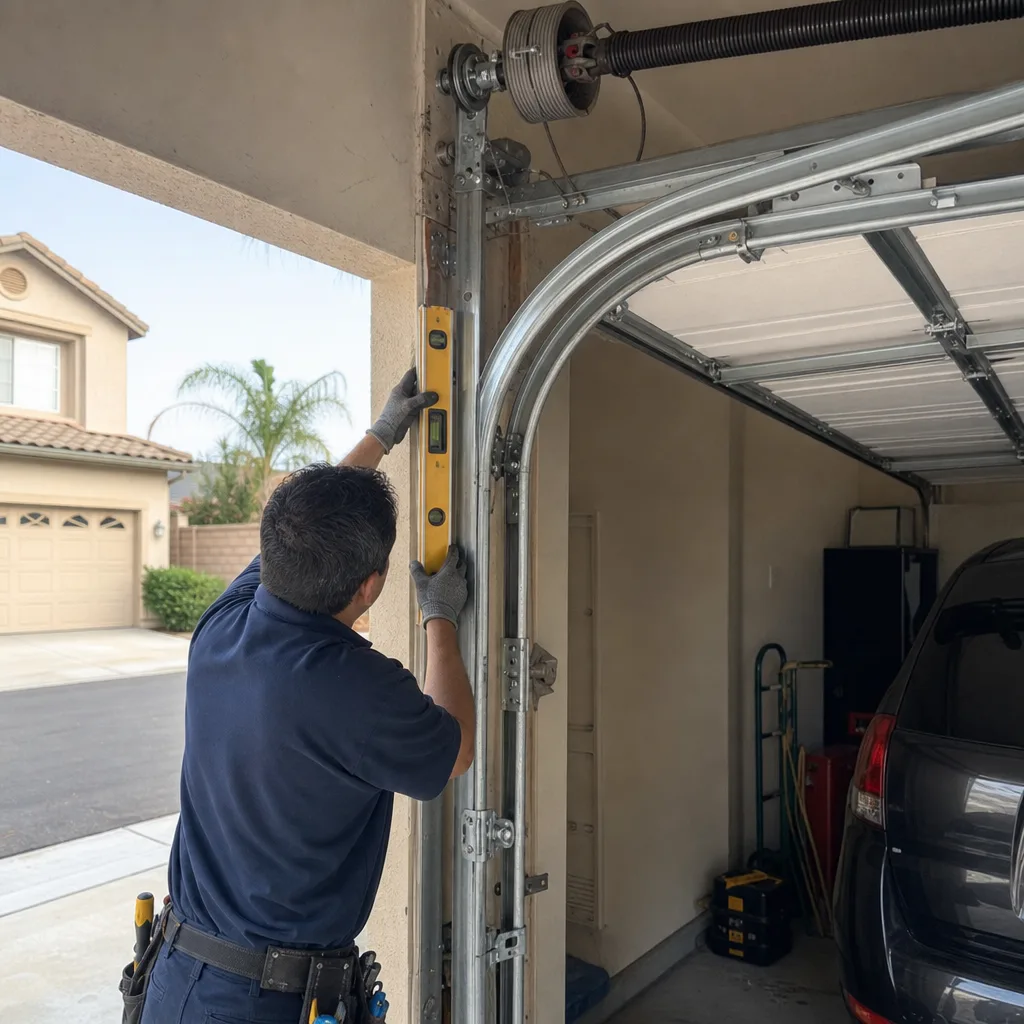
- Symptom: Door reverses before touching the ground. Component: Limit switch (or safety sensors). The limit switch tells the opener when to stop. If it’s set too aggressively or the travel module is failing, the opener senses false resistance and reverses. This is not a spring problem. The easy upsell is to quote a spring replacement for this symptom; don’t accept that quote without seeing the part.
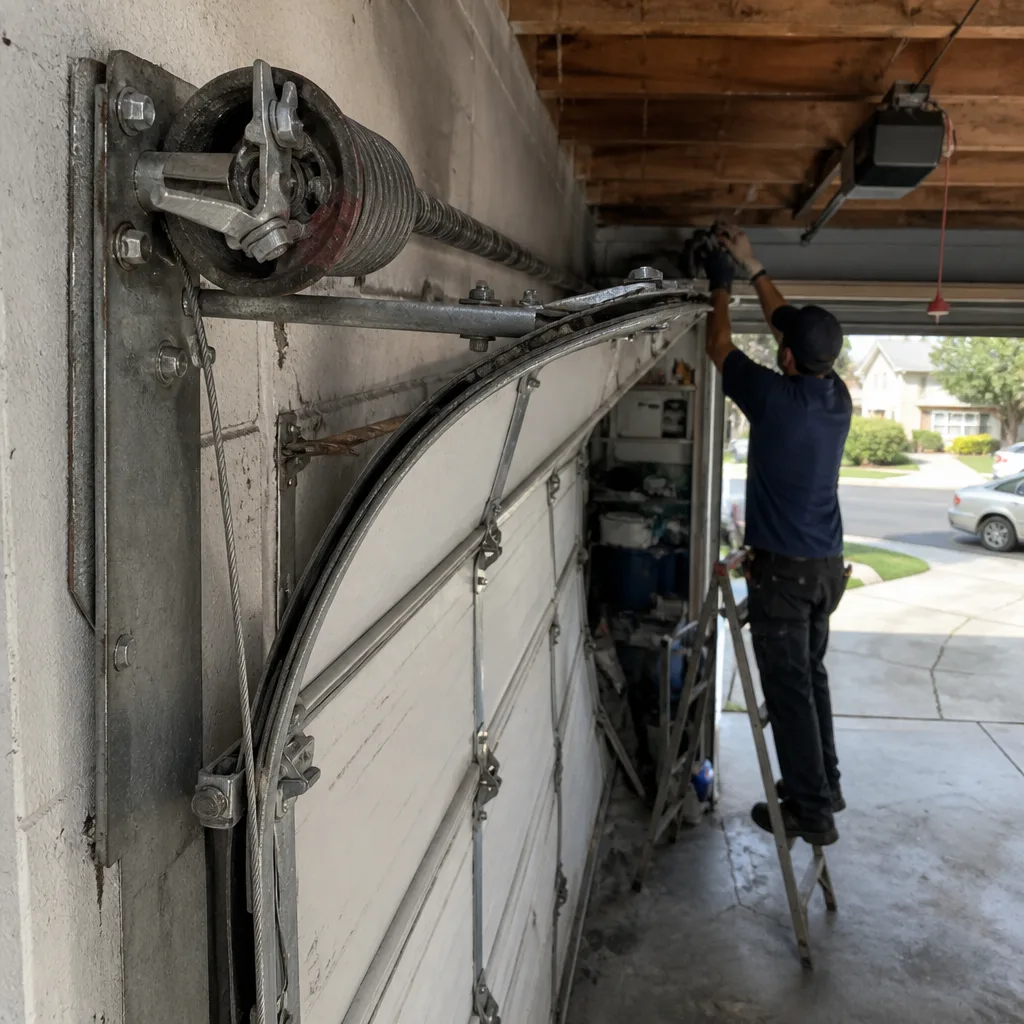
- Symptom: Visible gap in a torsion spring (looks like a 2-inch break in the coil). Component: Torsion spring. Springs break clean, usually at the coil. When you see a gap, the spring has failed. The door will be extremely heavy and the opener will strain. Do not operate.
- Symptom: Frayed or unraveling cable near the bottom roller bracket. Component: Lift cable. Cables fray strand by strand. If you see loose strands sticking out like a wire brush, the cable is losing its load-bearing capacity. It will eventually snap, and when it snaps under tension, the door can drop unevenly and damage the track, panels, and anything underneath it.
- Symptom: Grinding or metallic scraping during travel. Component: Rollers or bearings. Rollers wear flat spots onto their nylon or steel wheels. The sound is the flat spot dragging on the track. Bearings in the end plates can also fail, producing a higher-pitch metallic scrape. Neither condition is an emergency, but both should be addressed within 30 days to avoid track wear.
- Symptom: Door drifts down a few inches after opening. Component: Spring tension. The springs hold counterbalance. When they lose tension, the door creeps down. This is a set-up adjustment, not a full spring replacement, in most cases. If left unaddressed, the opener works harder and the tension loss accelerates.
- Symptom: Loud bang from the garage that sounds like a firecracker or a car backfiring. Component: Torsion spring. That is the sound of a spring snapping. The door will not open, or will open a few inches and stop. Do not attempt to lift it manually; the door with one broken spring is dangerously heavy.
- Symptom: Door jerks or shakes when moving. Component: Track alignment, roller wear, or panel connection. A track that has shifted out of plumb will cause the rollers to bind at a specific point in travel, producing a visible jerk. Loose hinges or a failing strut on an older panel can also transfer movement into the frame. Diagnose before replacing anything.
- Symptom: Opener motor runs but door doesn’t move. Component: Trolley carriage or drive gear. The carriage is the part that connects the opener rail to the door arm. If it’s stripped or the drive gear inside the opener housing has sheared, the motor spins against nothing. This is an opener repair issue, not a door issue.
- Symptom: Door closes then immediately reopens. Component: Safety sensors. The sensors at the base of the track are misaligned or blocked. Corona’s dust and cobwebs can coat the lenses; a quick wipe sometimes fixes it. If it persists, there may be a wiring fault or a failing logic board.
- Symptom: Uneven gaps between the door and the ground on one side. Component: Cable or hinge. A door sitting visibly higher on the left than the right is often a stretched cable or a failing bottom bracket. This is a leveling issue, not a spring issue, and it should be corrected before the imbalance wears the track.
- Symptom: Popping or clicking sounds during operation. Component: Hinges or track sections. Popping usually comes from a hinge that has worked loose from the panel, or a track section that has separated slightly at the joint. It’s an easy fix when caught early; left to run, the loose hinge can tear out of the panel face.
- Symptom: Door moves in slow motion. Component: Multiple, in this order: lubrication, rollers, spring tension, opener. Corona’s dry heat accelerates lubricant degradation. First step: lubricate the rollers, hinges, and springs with a garage-door-specific lubricant (not WD-40). If the door is still slow, inspect rollers for flat spots, then assess spring tension. Only after those three are ruled out do we look at the opener motor.
Stop-Now vs. Monitor-for-30-Days: How Each Warning Sign Is Classified
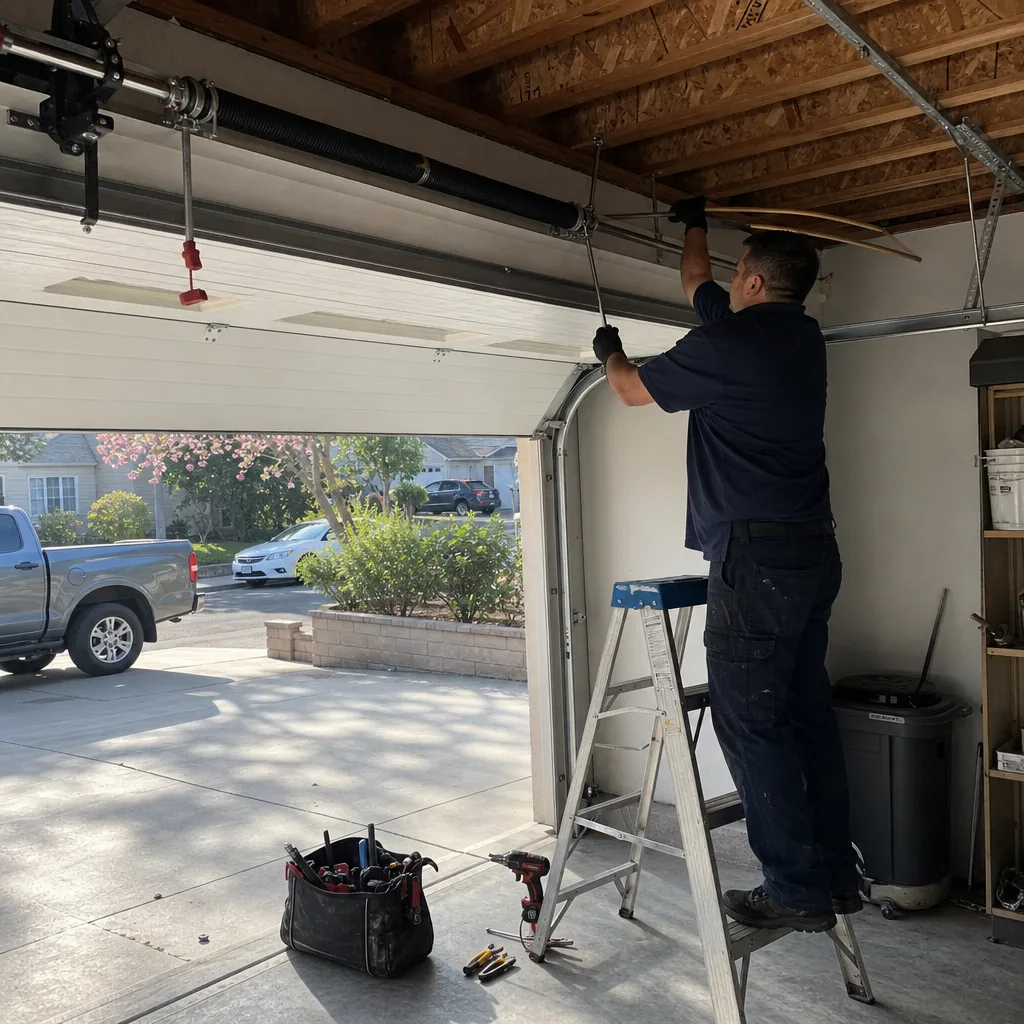
Here’s the part most homeowner guides gloss over. A warning sign needs a classification: do not operate the door again until a technician arrives, or note it, photograph it, and watch for progression over the next month. We classify each symptom by the mechanical consequence of operating the door one more time.
Stop-Now Classification
Stop-now signs involve components under high tension or components whose failure creates a cascade. The general rule: if the failed part is a spring, cable, or bottom bracket, do not operate the door.
- Visible gap in torsion spring. Operating the door with one broken spring forces the opener to lift near double the designed weight. The opener’s plastic drive gear and the remaining spring are both overloaded. Secondary damage is likely if you run the door even 3-4 more cycles.
- Frayed lift cable. Cables under load don’t fail gradually at the visible fray point; they part suddenly. When one cable parts, the door hangs from the remaining cable and the track takes lateral force it was never designed for. Panels can buckle, the track can bend, and the door can come off its rollers.
- Loud bang followed by inability to open. That was the spring. The door is too heavy to lift manually by hand for most people, and trying to force it can pull the emergency release mechanism or the top panel apart.
- Door hanging visibly uneven, with one side lower by more than an inch. This indicates a cable has already slipped or partially failed. The load path is compromised. Stop using the door and call.
Monitor-for-30-Days Classification
These signs indicate progressive wear rather than imminent failure. Document them, photograph them, and act on a schedule. The 30-day window is based on how fast these conditions typically advance in Corona’s climate.
- Grinding or scraping during travel. Roller and bearing wear is gradual. You have time to get a quote. But don’t stretch it past 30 days; the flat-spotted roller will start to carve a groove into the track, converting a $60 roller replacement into a $300 track replacement.
- Door drifting down after opening. Spring tension loss is a slow process in most cases. The monitor window allows you to verify whether the drift is consistent or only occurs in cold weather (Corona nights in winter can drop into the 40s, which affects spring torsion). If the drift is consistent across temperatures, schedule the set-up adjustment within the month.
- Popping or clicking sounds. Loose hinges and track joints do not fail catastrophically in a day. But every cycle adds wear to the hinge hole, and one morning you’ll find a hinge has pulled free of the panel. Monitor, but schedule within 30 days.
- Slow operation after lubrication. If you lubricate and the door is still slow, you have a diagnosis: something has worn past the point that maintenance fixes. Time to inspect rollers and springs. Not an emergency, but the longer it runs slow, the more strain you’re putting on the opener.
- Door reverses before touching the ground. This one is a safety-sensor or limit-switch condition, not a structural failure. It doesn’t damage the door to operate (the opener protects itself). But you should address it within 30 days because a door that won’t close is a security gap.
How to Photograph a Warning Sign Correctly
You’ve found the symptom. Before you call anyone, take photos. The right photo lets a technician give you a preliminary assessment before arriving, and it means the technician arrives prepared with the likely parts. The wrong photo is a grainy shot of the whole door from across the garage that shows nothing. Here’s how to photograph each of the major warning signs.
- Spring gap: Stand on a step ladder, 2 feet from the spring, with the door closed. (Do not operate the door.) Take two shots: one wide enough to show the spring and center bearing bracket, one tight on the gap itself. The tight shot should be clear enough that you can count the coils on either side of the break. Use your phone’s flash. The spring is under tension; do not touch it.
- Frayed cable: Kneel at the bottom corner of the door, where the cable attaches to the bottom bracket. Shoot the full length of the cable from bottom bracket to drum. Then take a close shot of the frayed section. Good light from the side helps show the loose strands. Do not touch the cable; the strands are sharp and the cable is under load.
- Uneven door: Stand in the driveway, directly facing the door, with the door closed. Use the driveway expansion joint or the garage floor line as a reference. Frame the entire door plus 2 feet of floor. If you have a level, place it on the floor next to the door for scale.
- Roller wear: With the door down, take a photo of the roller through the track opening. You’ll see the roller’s wheel. If it’s shiny, cracked, or flat-spotted, get a tight shot. A flashlight aimed along the track works better than the flash.
- Limit-switch/reversal behavior: Take a 10-second video of the door closing. Start the video before you press the button, and keep the camera steady at floor level to show the door’s interaction with the ground.
When our technicians in Corona review these before a service call, they can often identify the failed component from the photo alone. The photo record also becomes part of the service documentation. That’s the intent behind Clause 4 of The Haven Standard, the documentation system Servo Garage Doors Corona works under: the failed component is photographed before any replacement is quoted. If a contractor tells you the photo doesn’t matter, they’re telling you their diagnosis won’t be documented.
The Three Warning Signs That Mean Imminent Cable or Spring Failure
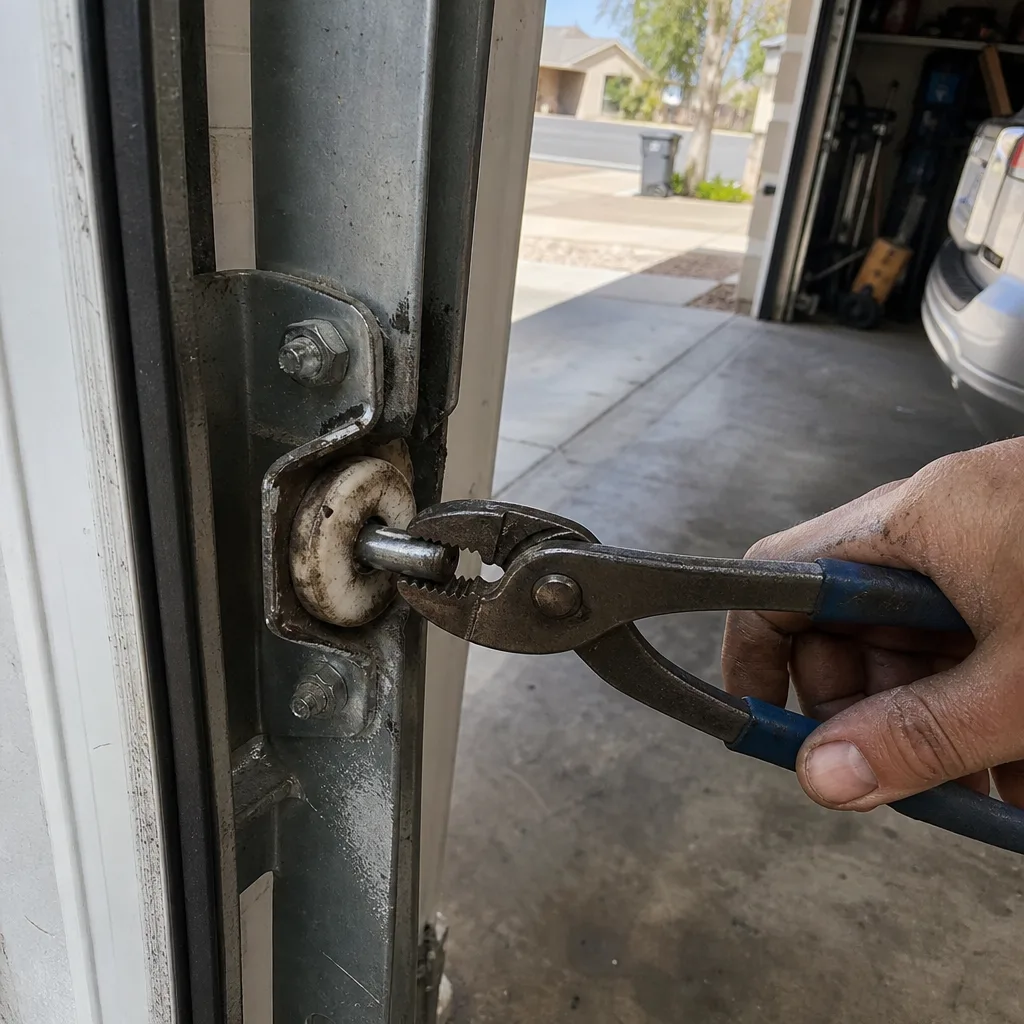
Three signs matter more than all the others, and they share a common thread: operating the door one more time after seeing them can double your repair cost. Here’s why each one signals imminent failure, and here’s the mechanical reason to stop.
Sign One: A visible gap in the torsion spring
A torsion spring that breaks does so in a single event, and the gap is visible immediately. The spring is what allows a 150-pound door to be lifted with one hand. When the spring breaks, the full door weight transfers to the opener, which is not designed for it. The opener’s internal drive gear, often a nylon composite, will strip under the load. Running the door with a broken spring is how a $280 spring replacement becomes a $700 spring-plus-opener-gear replacement. The math is simple. Stop. Call.
Sign Two: Frayed strands on a lift cable
Cables are under constant tension, even with the door fully open. (The torsion spring is only less loaded when the door is open; the cables still carry the door’s weight distribution.) When the first strand of a 7-strand cable breaks, the remaining 6 strands carry the same load with less cross-section. The rate of additional strand breakage accelerates. The cable will part, not gradually, but as a sudden snap. The door will drop on one side, the track will bend, and the panel can tear at the hinge points. The secondary damage is often more expensive than the initial cable replacement. If you see loose wire strands anywhere on the cable, do not operate the door.
Sign Three: A door that has lifted unevenly and then corrected itself
If you saw the door lift higher on one side and then settle even, or heard a metallic pop during the travel that wasn’t there before, a cable has jumped a groove on the drum. This means the cable is now running on the wrong track geometry, and the load distribution is off. Running the door in this condition can pull the cable completely off the drum, drop the door, and twist the track. This is the one sign that is least discussed in homeowners’ guides and the one that most often precedes a catastrophic cable failure.
The mechanical constant across all three: high tension and uneven load distribution. Once the system is unbalanced, each additional cycle concentrates stress at the failure point. The repair cost is not linear with time; it jumps at the moment the next component fails. We’ve seen broken springs in Corona homes off Green River Road and in the new developments around Dos Lagos that turned into stripped opener gears because the homeowner tried to run the door once more to get a car out. It’s not worth it.
The Documentation Log: Why Dated Notes Matter When You Get a Quote
Here’s a tactic that costs nothing and can save you real money: keep a dated log of every warning sign. It doesn’t need to be formal. A note on your phone is fine. The format: date, symptom, what you observed, and what the door did next. Here’s an example:
March 12 - Door grinds on the right side, sounds like metal on metal. Noticed at 7 p.m. Door still opens and closes fully.
March 18 - Grinding louder. Visible flat spot on right roller through the track. Door operation same.
March 25 - Right roller now squealing. Door takes longer to close (approximately 4 seconds slower).
This log serves two purposes. First, when a technician arrives, you can hand them data instead of a recollection. The progression tells them whether the wear is accelerating or stable. Second, and more importantly, the log becomes evidence if a quote doesn’t match the timeline. If a contractor tells you on March 25 that your spring is broken and has been for months, but your log shows the door was lifting evenly and without spring symptoms on March 18, you know the diagnosis is suspect. The log protects you from the easy upsell.
This is the same principle that Servo Garage Doors Corona home was built on: documentary evidence over verbal reassurance. When we quote a repair, you see a written price and written scope before any work begins. That’s Clause 1 of The Haven Standard. Your dated log is the homeowner’s version of the same idea: write down what you see, and hold the diagnosis to the record.
Corona-Specific Factors: Heat, Dust, and What They Do to Your Door
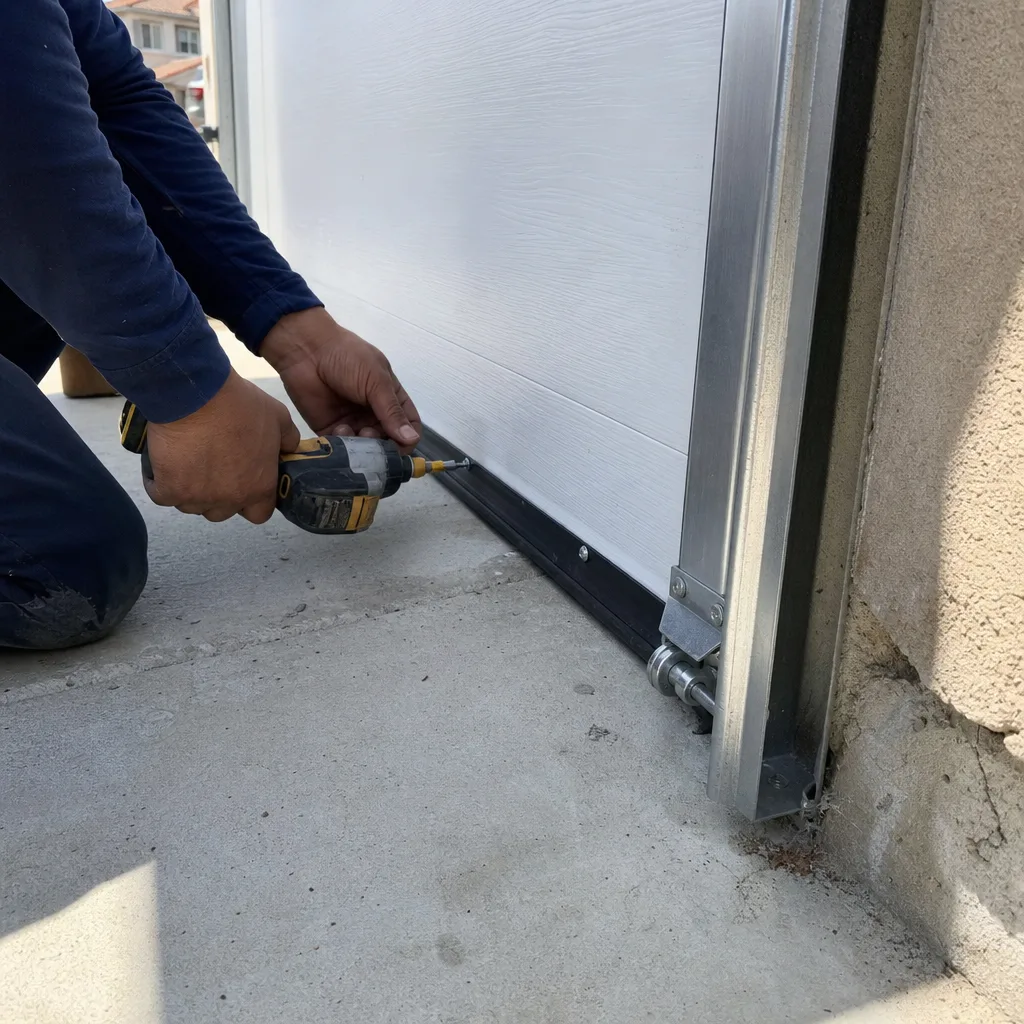
Corona’s climate does two things to a garage door that you won’t find in most national guides. The first is heat-loading. Corona summers routinely hit the high 90s and 100s, and a south-facing garage door in a development like Sierra del Oro or Trilogy at Glen Ivy will absorb radiant heat all afternoon. The metal panels expand, the nylon rollers soften, and the grease in the bearings breaks down faster than the maintenance schedules on the manufacturer’s box assume. That’s why we tell Corona homeowners to lubricate their rollers and hinges at least three times a year, not the once-a-year an Amarr or Wayne Dalton manual might suggest for a temperate climate. For a full schedule, see our Seasonal Garage Door Care for Corona: Year-Round Homeowner’s Guide.
The second factor is dust. The Santa Ana winds carry fine particulate from the Santa Ana River basin and the dry hillsides, and it settles on everything, including garage door tracks and safety-sensor lenses. The symptoms are often misattributed: a door that refuses to close or reverses immediately after touching the ground is, in many Corona cases, a pair of dust-coated safety sensors, not a logic-board fault or a spring issue. Before you schedule a service call, wipe the sensor lenses with a dry cloth and test the door. You’d be surprised how often that’s the entire fix.
There’s also a third factor worth naming: the temperature swings between Corona’s hot days and relatively cool nights (especially in the fall) will cause metal track sections and panel hinges to expand and contract. Over years, that cycling loosens hinge screws and track bolts. The popping sound you hear in October might be that, not a failing component. Tightening a few hardware points is a 15-minute fix. This is also why our Garage Door Repair in Corona service includes a hardware torque check on every visit.
What Each Warning Sign Costs to Fix in Corona
Price transparency matters, especially in this market. Corona homeowners research before they call, and the question they ask most often is the one most contractors won’t answer on the page: what will this cost me? Here are the typical price ranges for the warning signs described in this guide, based on what we see across Corona and the surrounding areas. A note on ranges: the final price depends on your door’s brand, weight, and spring configuration. We do not give verbal estimates; we give written ones.
| Warning Sign | Typical Repair | Corona Price Range |
|---|---|---|
| Visible gap in torsion spring | Spring replacement (pair) | $280-$430 |
| Frayed lift cable | Cable replacement (both sides) | $180-$290 |
| Grinding or scraping during travel | Roller replacement (12-14 rollers) | $140-$210 |
| Door drifts down after opening | Spring tension adjustment | $95-$150 |
| Door reverses before touching ground | Limit-switch adjustment or sensor realignment | $85-$140 |
| Door jerks or shakes | Track alignment or hinge replacement | $130-$320 |
| Opener motor runs but door doesn’t move | Trolley carriage or drive gear replacement | $190-$340 |
| Uneven gaps between floor and door | Leveling / bottom bracket repair | $150-$270 |
| Popping or clicking | Hardware torque, hinge tightening | $85-$130 |
| Loud bang (spring snapped) | Spring replacement (pair) plus safety inspection | $300-$470 |
These prices are line-item ranges, quoted in writing, before any work starts. That’s the standard we work under, and it’s the standard we’d suggest you hold any contractor to. If a company will only give you a price after they arrive, that’s not transparency, that’s a sales call. Servo Garage Doors Corona has provided written upfront pricing on every job since 2015, and the price you sign is the price you pay. No surprises after the fact.
Common Mistakes to Avoid
- Operating the door after a loud bang. The spring is broken. Every additional cycle damages the opener. Pull the emergency release, leave the door down, and call. This one mistake routinely triples the repair bill in Corona service calls.
- Treating every slow door as a spring problem. Slow operation in Corona is more often dry lubrication or worn rollers than a spring issue. Lubricate first, then reassess. The spring may be fine.
- Ignoring a frayed cable because “it’s only a few strands.” Cable failure is not linear. The remaining strands carry the same load and fail faster. The only correct response to visible fraying is to stop using the door and get a same-day repair.
- Accepting a verbal quote without a written scope. A technician who won’t put the price and scope in writing before starting work is not following the documentation standard that protects you. Walk away. Any reputable company will produce a written price, including ours, on every job. Period.
- Using WD-40 on rollers and hinges. WD-40 is a solvent, not a garage-door lubricant. It strips the existing lubrication and leaves the metal dry. Use a lithium-based or silicone-based garage-door lubricant. Spray the rollers, hinges, and spring (lightly on the spring).
- Replacing one spring when the pair is old. Torsion springs are installed in matched pairs, and they typically have the same cycle-life rating. If one breaks, the other is near the end of its life. Replacing both costs more now but far less than a second service call in 4 months.
- Not reading the three-star reviews. Before you hire anyone in Corona, read the negative and middle reviews. Look for the pattern: do they mention price changes after the quote, or vague diagnoses? That tells you more than the five-star rating. We say this as a garage door company: read the bad reviews first.
When to Call a Professional
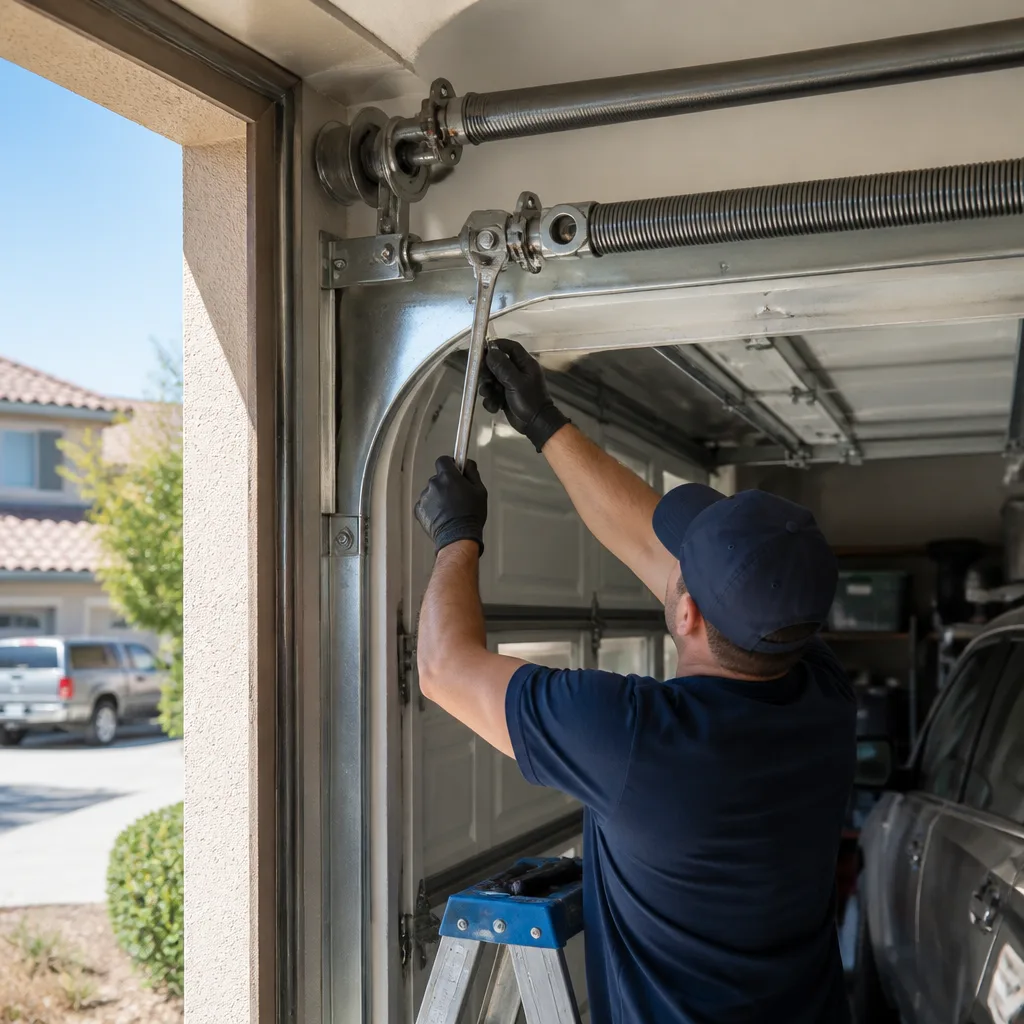
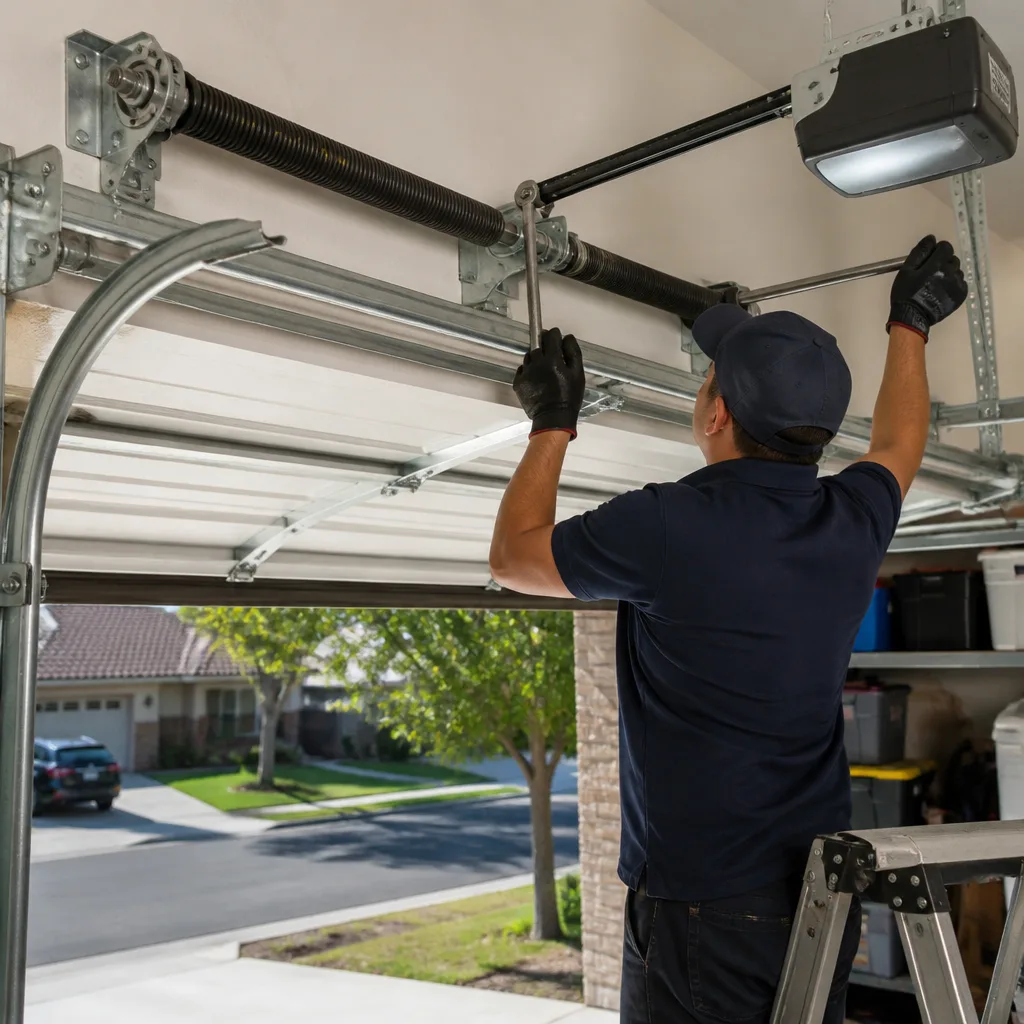
Call a professional if you see a gap in a torsion spring, frayed cables, a door that’s hanging visibly uneven, or if you heard a loud bang and the door stopped working. Also call if the door reverses before closing and wiping the sensors didn’t fix it, or if you’ve logged a progressive symptom (grinding, drifting, popping) for 30 days without improvement. Do not attempt DIY repair on springs or cables. Those components are under high tension, and the injuries from an improper release are severe and well documented. If you’re in Corona and want a documented, written-price diagnosis, read How to Hire a Garage Door Contractor in Corona: A Step-by-Step Guide, or call Servo Garage Doors Corona for a free estimate. Call (951) 482-7637. You’ll get a real person, 24/7, and a technician who will photograph what they find and write down what they’ll charge before touching anything.
Frequently Asked Questions
A broken torsion spring shows as a visible 2-inch gap in the coil, usually near the center of the spring. You’ll also notice the door is extremely heavy to lift manually and the opener will strain or fail to open it. You may have heard a loud bang when it happened. If you see the gap or heard the bang, stop operating the door and call a Corona garage door professional. A spring replacement in Corona typically runs $280-$430, written price before work starts.
No. A door with one broken spring is unbalanced. The opener is lifting near double its designed load, which strips the internal drive gear and can leave you with a spring replacement plus an opener overhaul. The door can also come off its track if the imbalance is severe enough. Pull the emergency release cord, leave the door down, and call us for a free estimate at (951) 482-7637.
The most common cause is a limit-switch setting or a safety-sensor fault. The limit switch is the component in the opener that tells the motor where to stop. If it’s mis-set, the opener senses resistance at the wrong point and reverses. Start by wiping the sensor lenses (dust from the Santa Ana winds is a common culprit in Corona); if that doesn’t solve it, it’s a limit-switch adjustment, typically $85-$140 from a reputable local company.
Cable replacement in Corona typically runs $180-$290 for both cables, including the service call and a hardware and track inspection. Cables are replaced in pairs for balance. This is a stop-now repair: a frayed cable can snap without warning, dropping the door and causing panel and track damage that will double or triple your bill. Call (951) 482-7637 for a same-day appointment and a written price.
Standard torsion springs are rated for 10,000 cycles, which translates to roughly 7-10 years for a typical Corona homeowner who cycles the door two to four times daily. Heat itself doesn’t shorten spring life dramatically; cycle count does. If your springs are older than 8 years and you’re noticing reduced lift speed or a slight sag, they may be nearing replacement. High-cycle springs with a 25,000-35,000 cycle rating are available for a modest premium.
Yes. We work on all eight major residential brands: LiftMaster, Chamberlain, Genie, Clopay, Amarr, Wayne Dalton, Craftsman, and Raynor. Our technicians carry replacement parts for the most common models on the truck, and our Garage Door Installation in Corona team can quote a new door from any of these manufacturers with a written, line-item price.
The Bottom Line
Here’s the summary. The warning signs that matter are specific, observable behaviors mapped to specific components. A door that reverses before the ground is a limit-switch fault, not a spring. A visible gap in a torsion spring is a stop-now condition, not a call-when-convenient one. Frayed cables, a loud bang, or an unevenly hanging door are the three signs that mean imminent failure, and operating the door one more time is how a small repair becomes a large one. Keep a dated log of what you see, photograph the warning sign correctly, and ask any contractor for a written price and written scope before work starts. That’s the standard Servo Garage Doors Corona works under, and it’s a standard worth holding every contractor to. For more guides & resources, visit our blog. Call (951) 482-7637 for a free estimate, and you’ll know the price in writing before anyone touches your door.
Written by Marcus Deller, Owner at Servo Garage Doors Corona, serving Corona since 2015.