
Full 25-point door and opener safety check with every visit - springs, cables, rollers, tracks, and your LiftMaster or Chamberlain opener included
You get a price before we start. It does not change when the truck arrives.
 Before
 After
After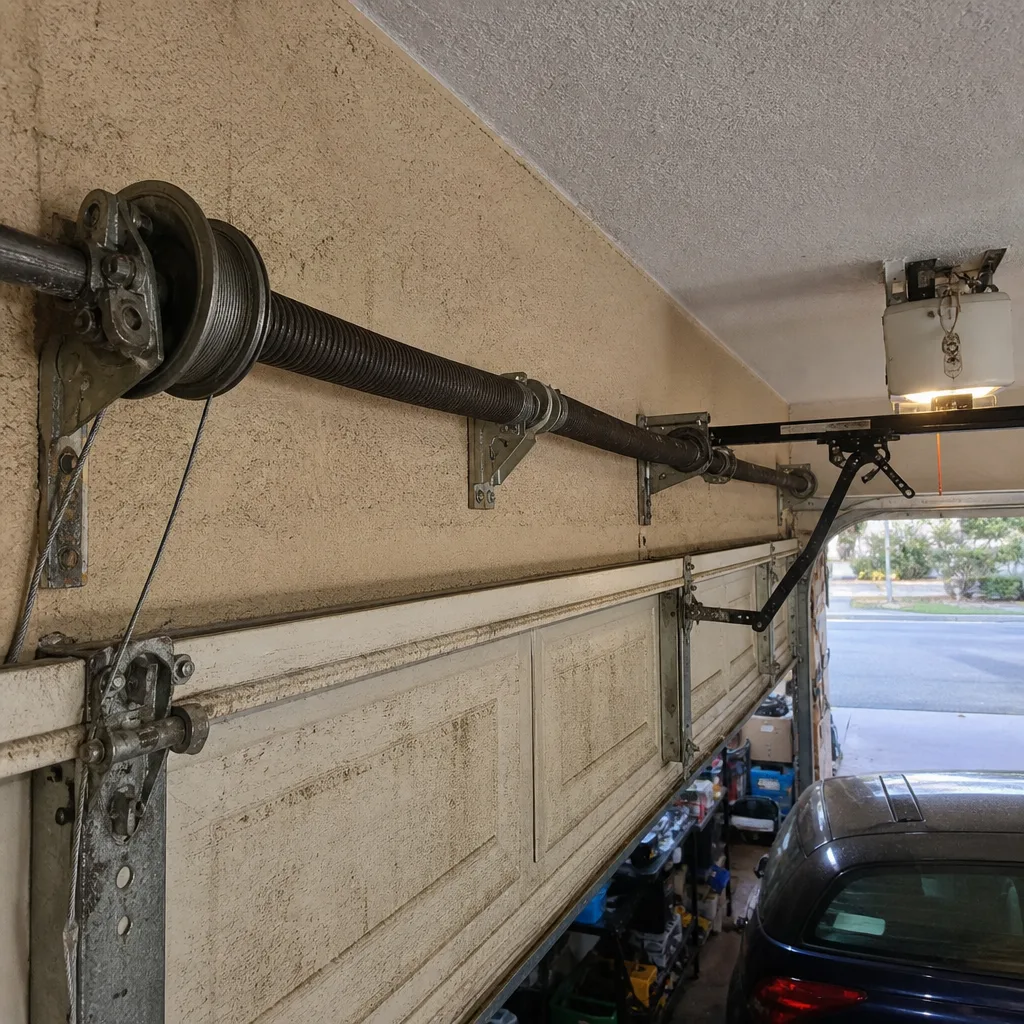 Before
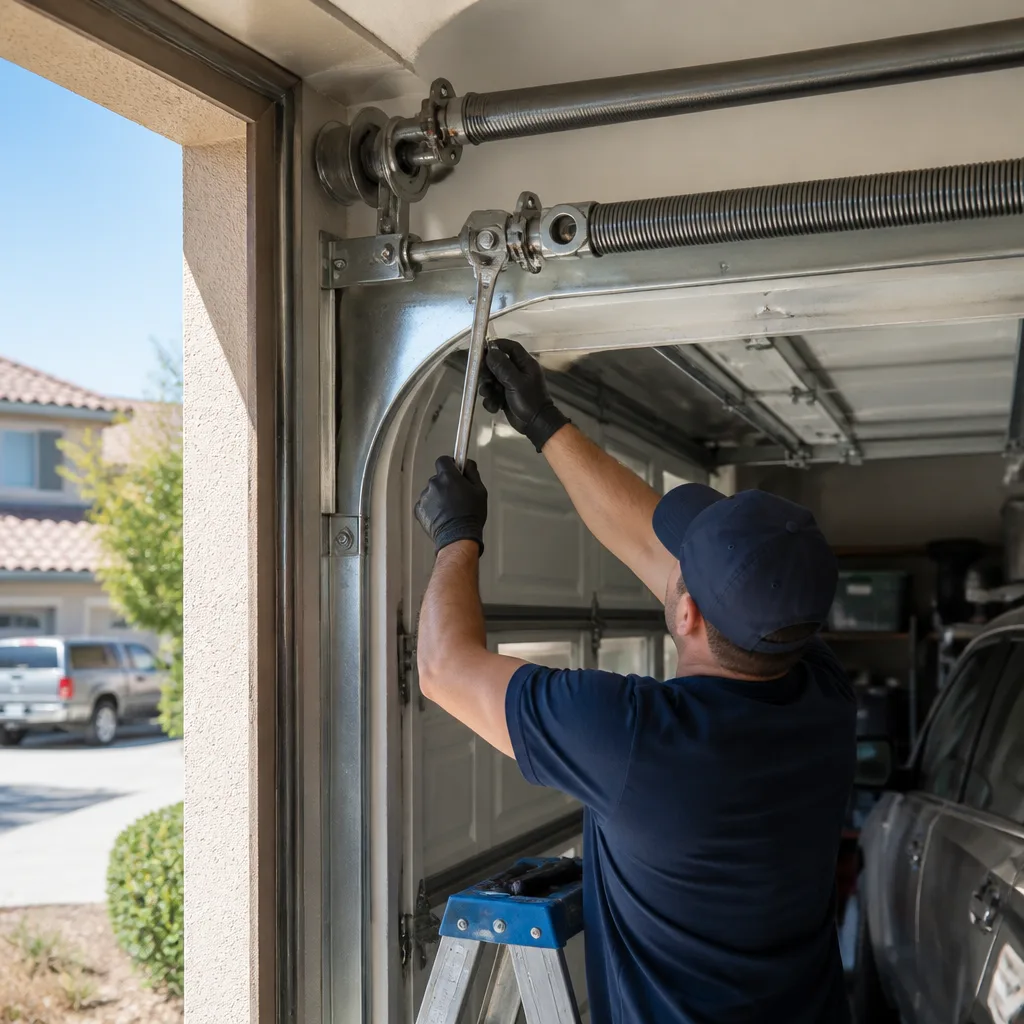 After
After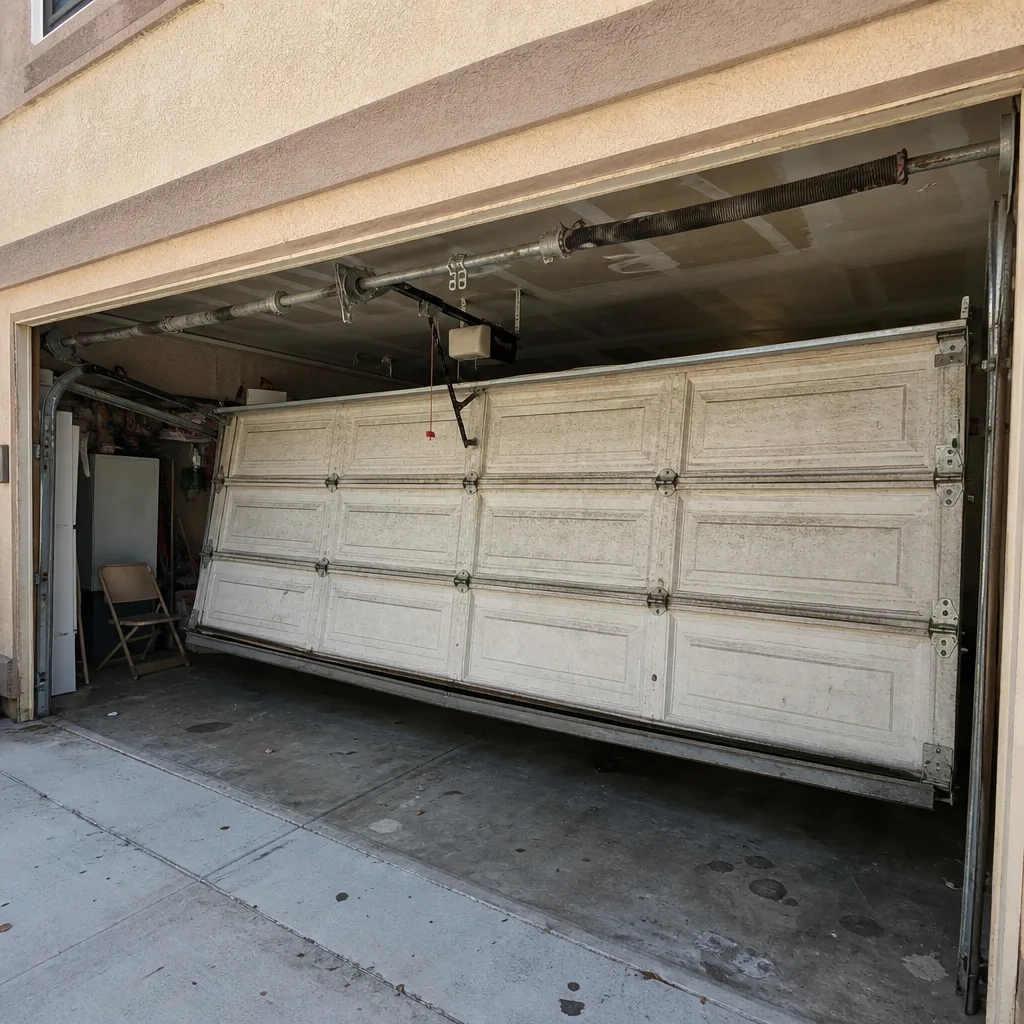 Before
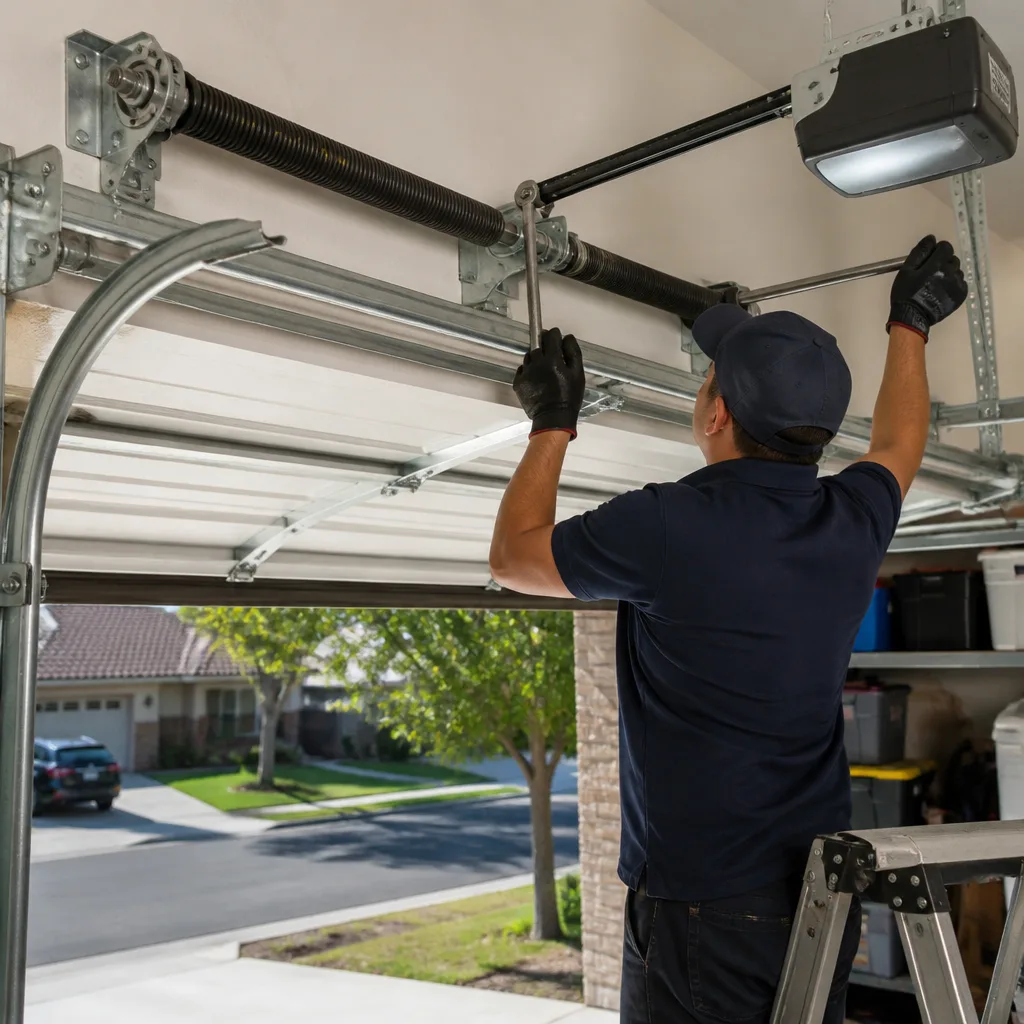 After
AfterCraftsman Roller Replacement: The Corona Owner’s Guide
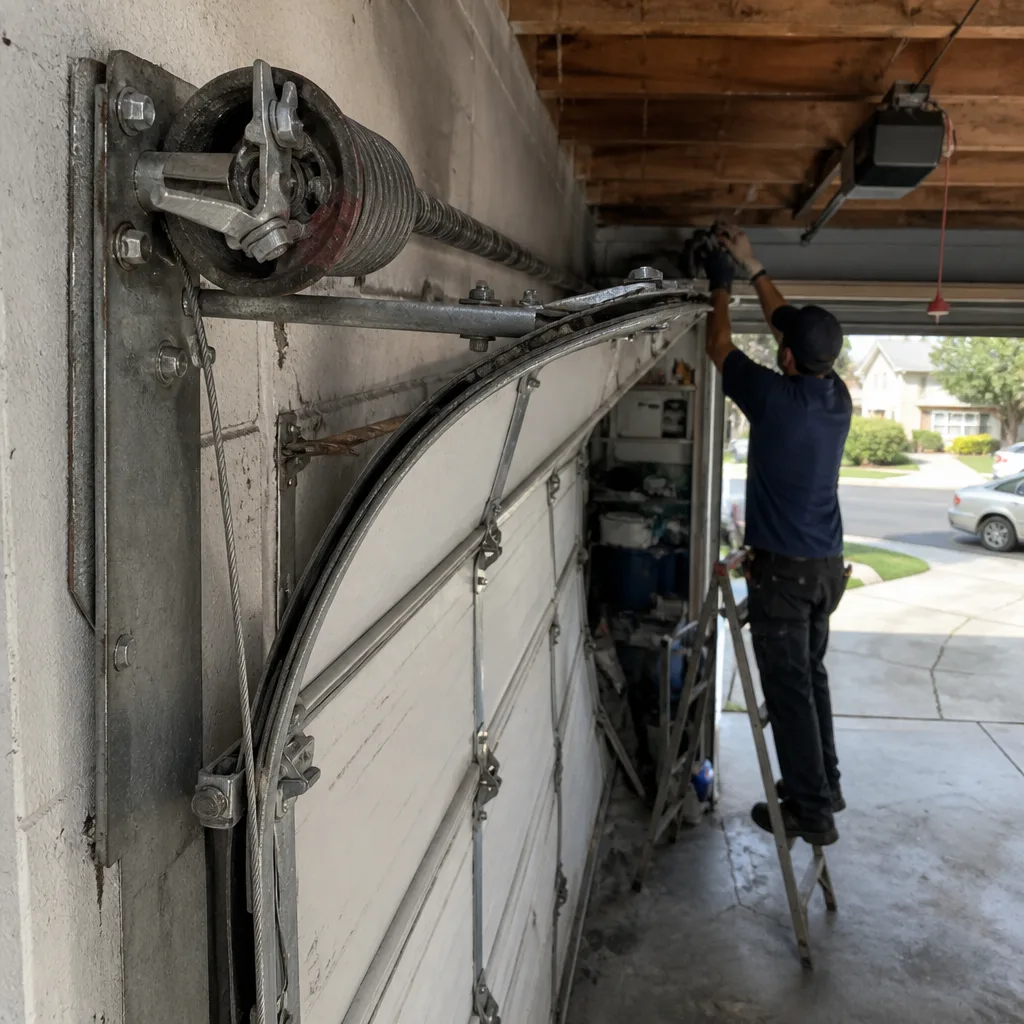
A Craftsman roller replacement in Corona typically costs $110-$220 installed, and we carry Craftsman-compatible rollers on the truck for same-day replacement in most cases. The part fails because the bearing inside the wheel seizes or the nylon tire wears flat, and the door starts grinding against the track instead of rolling. You’ll hear it first: a rough scraping sound that gets worse as the door travels, sometimes paired with a visible wobble in the panel as it passes the curve in the vertical track.
Most homeowners discover this on a weekday morning when the door sounds like it’s dragging a bag of gravel. That sound is the roller wheel no longer spinning. The garage door opener keeps pulling, but the roller is now sliding against the track, shaving metal or nylon off as it goes. Left alone, the flat spot on the roller wears deeper, the door starts hanging up mid-travel, and the added strain lands on the opener’s travel limits and the hinge brackets.
Which Craftsman Models This Applies To
This page covers residential Craftsman sectional garage doors made from the mid-1990s through current models, which is most of what we see in the older subdivisions off Green River Road and the newer tracts nearer to Dos Lagos. The roller is a standard two-inch nylon or steel wheel with a seven-sixteenths-inch ball-bearing center, but Craftsman has used two stem lengths over the years, and that’s where the compatibility gotcha lives. Short-stem rollers run about four inches overall, and long-stem rollers run closer to seven. If you pull a roller and the stem looks unusually long, it’s the long-stem variant, and installing a short-stem roller in a long-stem hinge will let the roller climb out of the track under load. We match the stem length and the stem diameter before anything goes back in.
On the OEM-versus-aftermarket question for Craftsman specifically: Craftsman branded rollers are a commodity part made to a price point. The aftermarket nylon rollers with sealed bearings we install typically outlast the original equipment, run quieter, and cost about the same installed. We stock both, and we’ll show you the failed roller next to the replacement before it goes in. That comparison is part of the job, not an extra step.
Signs Your Craftsman Roller Replacement Is Failing
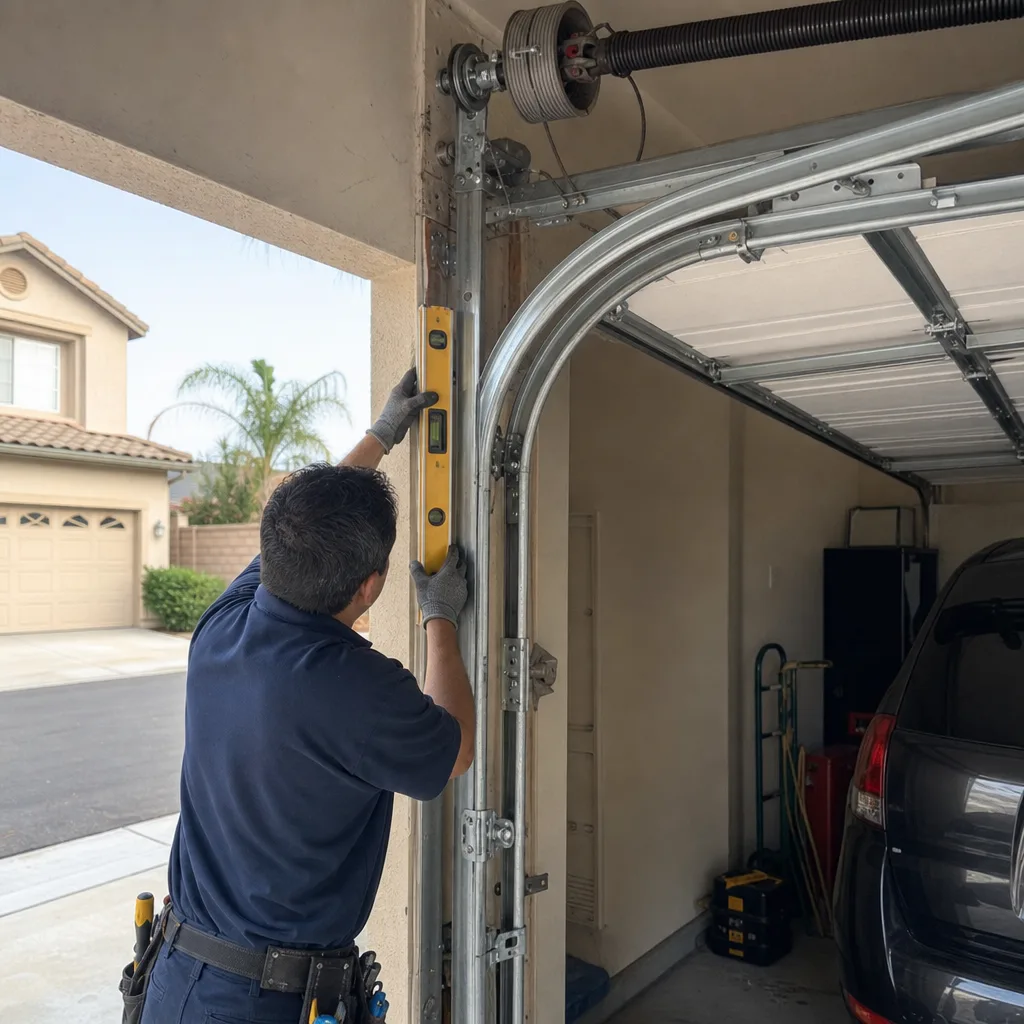
- Grinding or scraping during travel. The bearing has seized or the nylon tire has worn through to the steel core. The wheel stops rolling and starts sliding against the track rail.
- Door shudders or shimmies on the way up. A roller with a flat spot hits the same point in its rotation every few inches, and the door panel telegraphs that vibration to the hinges and the opener rail.
- Visible wear on the track. Look at the inside face of the vertical track where the roller rides. A failing roller leaves a bright, polished groove or fine metallic dust at the bottom of the track.
- Door hangs up partway and then jerks forward. The roller has worn small enough that it binds in the track radius at the transition from vertical to horizontal. The opener pushes harder, then the door lurches past the sticking point.
- Uneven gap at the top of the door when closed. One side sits slightly higher because a worn roller on that side is allowing the panel stack to lean. The difference is often a quarter inch, but it’s visible from the driveway.
Corona’s dry heat and fine dust accelerate nylon tire wear. The dust fines work into the bearing seal, the bearing starves for lubrication, and the wheel starts skidding instead of spinning. In damp climates you’d see rust first. Here you see dust abrasion first, and it’s one reason a roller can go from noisy to flat-spotted in a single season.
BeforeAfterReplacement Cost & What’s Included
Installed Craftsman roller replacement in Corona runs $110-$220 depending on the number of rollers and the type we install. A standard nylon roller with a sealed bearing sits at the lower end; a premium nylon roller with a double-sealed bearing and a hardened steel stem runs toward the higher end. We replace rollers in sets where wear is even across the door, but if only one or two have failed and the rest measure fine, we’ll tell you that and price it accordingly. You get the line-item price before we start, and the number we write down is the number on the invoice. Clause 1 of The Haven Standard means exactly that: written scope, written price, no revision at the end.
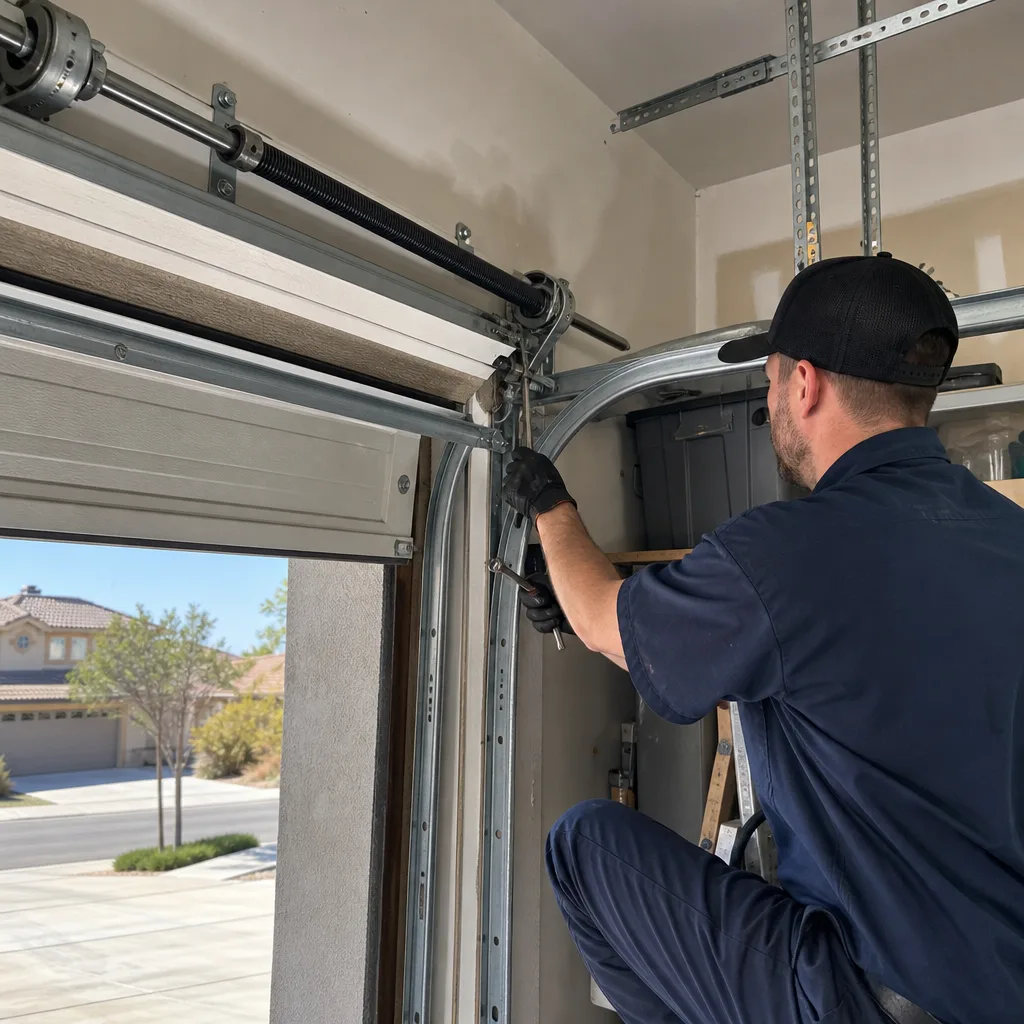
Every roller replacement includes a written warranty on the labor, and the parts carry the manufacturer’s warranty. You also get the photo record: the failed roller in place, the failed roller removed, and the new roller installed. That’s Clause 4. It traces back to the rule Marcus Deller built this business on in 2015: you see the failed part before anyone quotes a replacement.
DIY or Call Us?
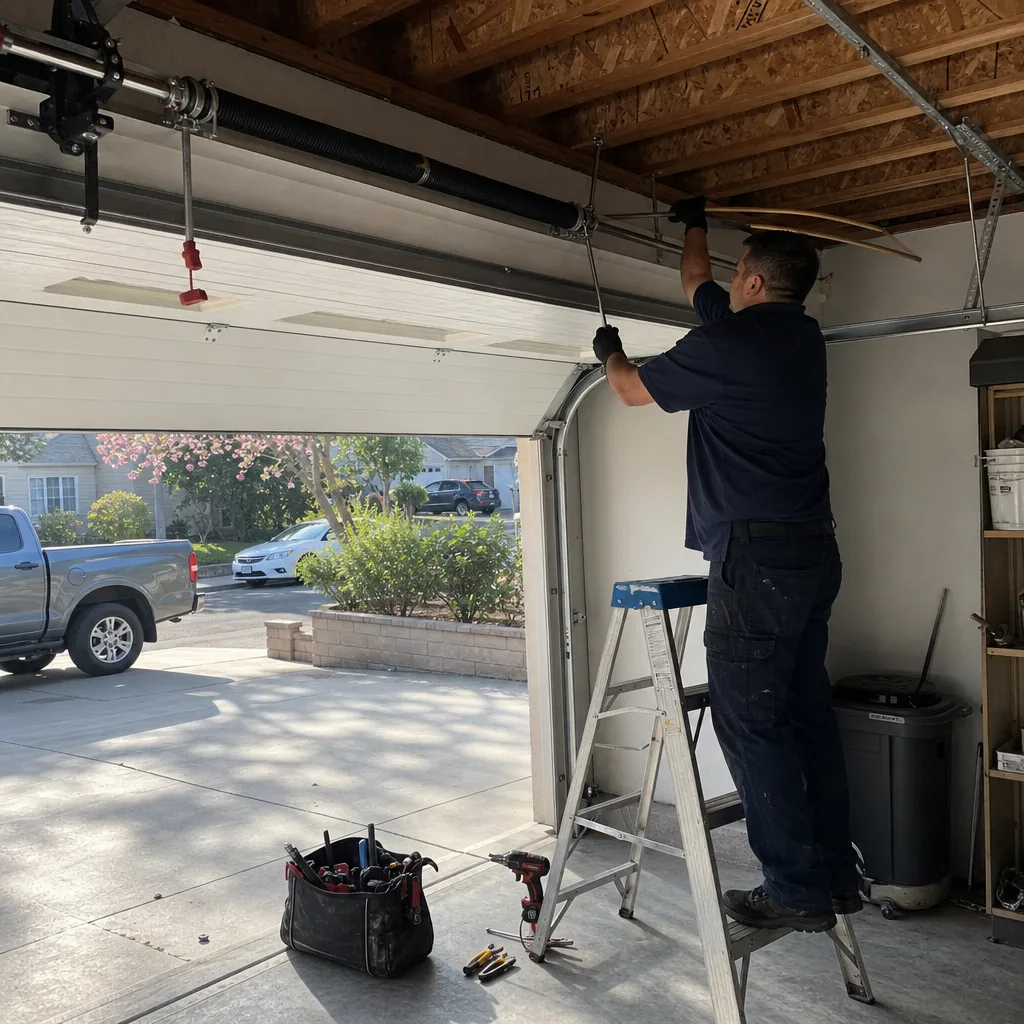
You can safely inspect the rollers yourself. Close the door, look at each roller from inside the garage, and check for flat spots, wobble, or a wheel that doesn’t spin when you try to turn it by hand. Remember that the bottom roller on each side is under cable tension when the door is down, and the bottom fixture carries spring tension through the cable at all times. Do not unbolt the bottom roller bracket without releasing that tension properly. That’s the line where DIY stops being worth the risk, because the spring holds enough stored energy to break a hand or worse.
We’ve done roller swaps on Craftsman doors in Corona where the homeowner attempted it first and the new roller popped out of the track because the hinge pocket was worn or the stem length was wrong. Matching the part is the real skill. Name the part, quote the number, do the work. If you’d rather have it done once, call (951) 482-7637.
FAQs
Original Craftsman rollers in Corona typically last 7 to 10 years, though dust-heavy neighborhoods near the Santa Ana River corridor can cut that to 5 or 6 years. The bearing seal is the failure point, not the nylon wheel itself. Call (951) 482-7637 and we’ll inspect yours during a service call, no charge for the look.
Replacement is the repair. Worn rollers can’t be resurfaced, and a seized bearing can’t be lubricated back to life once the seal has failed and dust is inside the race. The fix is a new roller matched to your Craftsman hinge pocket and stem length. We stock them on the truck.
A full set of 10 to 12 rollers on a Craftsman door takes 45 to 90 minutes in most Corona garages. If we’re doing one or two, it’s typically a 30-minute visit including the photo documentation at the end.
Yes. Our trucks carry both short-stem and long-stem Craftsman-compatible rollers in nylon and steel, plus the same parts for LiftMaster, Chamberlain, and Genie doors. We match the roller to the hinge pocket before quoting, and the written price includes the parts, so there’s no second trip to a parts counter.
If your Craftsman door is grinding or sticking, call (951) 482-7637 and we’ll schedule a service visit. You’ll get a written price before any work starts, a photo record of what was found and what was replaced, and a 365-day promise that if it’s not right, we make it right. No call-for-a-quote runaround. You’ll see the number in writing before a single bolt comes off.
Written by Marcus Deller, Owner, Servo Garage Doors Corona at Servo Garage Doors Corona, serving Corona and nearby areas.